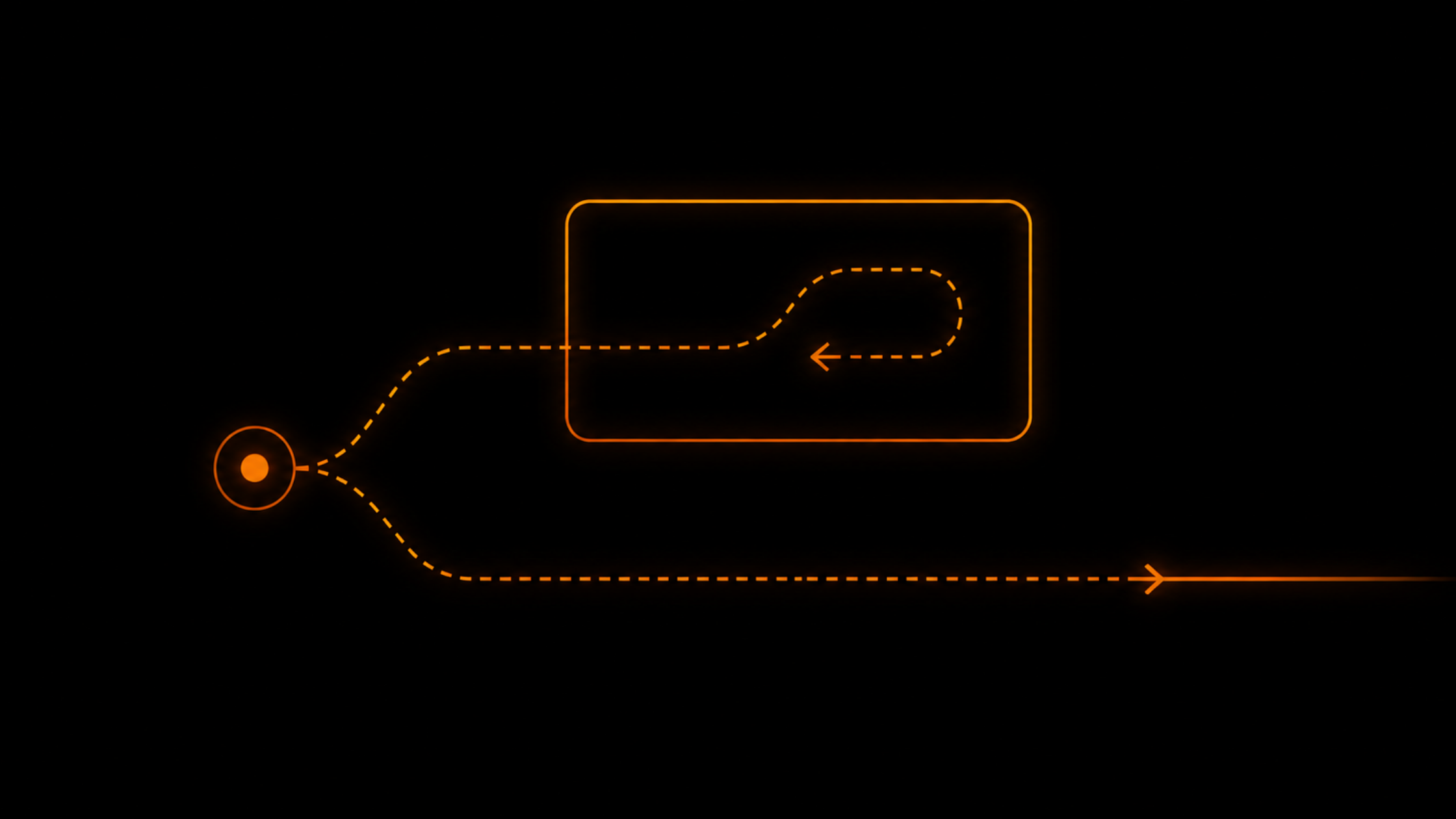
A year ago, running a capable AI model meant paying a frontier provider by the token.
Then a run of open-weight releases changed the maths. DeepSeek showed that a strong model could be trained and given away at a fraction of the usual cost, and this month Moonshot AI's Kimi K3 pushed the point further. For a European business, a capable model you can download and run for nothing is an appealing prospect. It is also where the word "free" starts to do a lot of quiet work.
Free here means free of a licence fee. It does not mean free of responsibility, and in Europe that distinction has teeth.
Two things travel with any AI model regardless of what it costs to acquire: the EU AI Act, and, the moment personal data is involved, the GDPR. Neither cares whether you paid for the model.
There is a widespread assumption that open-source AI sits outside the AI Act. It does not, at least not in the way people assume. The Act does give open-source general-purpose models a lighter regime. Providers are relieved of some documentation duties and, if they are based outside the EU, of the need to appoint a European representative. But two obligations survive no matter how open the model is. The provider still has to publish a summary of the data the model was trained on, following the AI Office's template, and still has to comply with EU copyright law. The copyright obligation is the one most often missed.
The exemption also has a ceiling. If a model is large enough to count as posing systemic risk, a bar set high enough that most models a business would adopt sit well below it, the full set of obligations applies regardless of the licence. And from 2 August this year the AI Office gains its full enforcement powers, including the ability to request information, order changes to a model, and issue fines. The regime has moved from something on paper to something with a live enforcement arm.
Much of this is the model maker's concern rather than yours. Often that holds. But the Act has a line that reaches adopters, and it is worth knowing where it sits. If you take an open model and fine-tune it using a significant share of the original training compute, currently framed as roughly a third, you are treated as a new provider, with the obligations that follow. Fine-tuning lightly on your own data is one thing. Retraining at scale quietly shifts the legal weight onto you.
Responsibility can land on you a second way. If you embed an open model inside a system the Act classifies as high risk, such as something touching recruitment, credit decisions, or access to essential services, the compliance duty for that system is yours as the deployer, whatever the model's licence says. The openness of the model buys you nothing in that setting.
Much of the recent momentum in free models has come from China, and that has made some European teams uneasy. Part of that caution is warranted. But it pays to be precise about where the risk actually sits, because the answer changes completely depending on how you use the model.
Using a hosted Chinese service, calling an API at deepseek.com for example, is where European businesses run into difficulty with personal data. China has no adequacy decision under the GDPR, the usual transfer safeguards are not in place, and routing European personal data through such a service is hard to square with the law. Regulators have already moved. Italy's authority blocked the DeepSeek app, Germany's Berlin commissioner pushed Apple and Google to remove it, and investigations opened across a string of member states. The common thread in every one of those actions is the hosted service and where the data ends up.
Running the open weights yourself, on European infrastructure, is a different matter entirely. When you download the model and host it in your own environment, the data never leaves your control and never travels to China. The same weights that are a problem as a hosted foreign service can be perfectly workable when you run them locally. This is the distinction worth holding onto: the risk usually lives in the hosting and the data path, not in the weights themselves.
Self-hosting is not a blanket clearance. You still carry the AI Act duties described above, and you should still satisfy yourself about a model's provenance and how it was trained. But it does mean a capable open model of Chinese origin is not automatically off the table for a European company. It depends on how you run it.
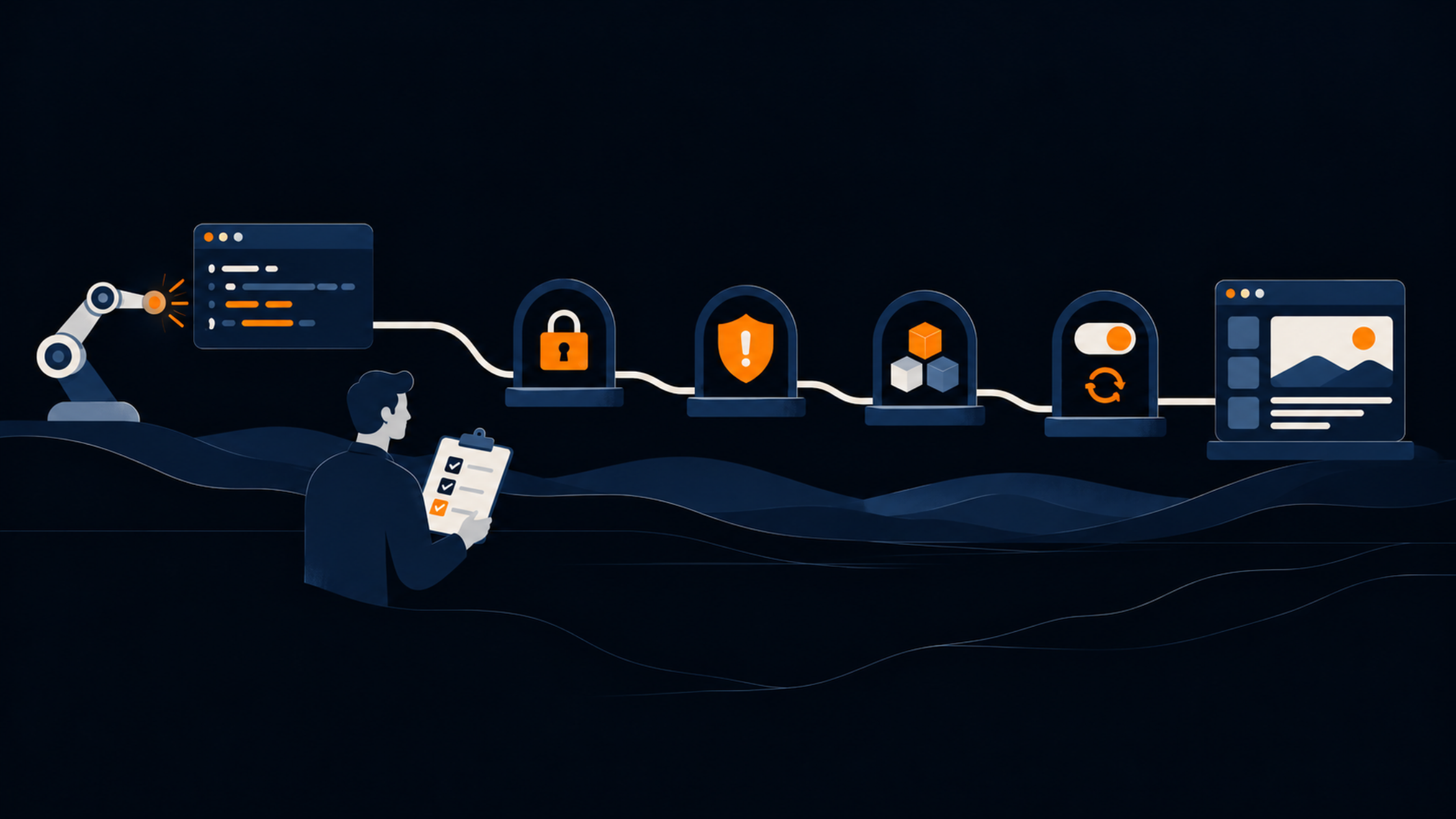
Before committing to a free model, we would work through a short set of questions with a client:
None of this is a reason to avoid open models. We use them, and recommend them, wherever they are the better tool for the job. The point is only that "free" describes the price and very little else.
The arrival of strong, free models is good news for European businesses. It lowers the cost of building with AI, and when self-hosted it can give you more control over data and sovereignty than a foreign API ever will. What it does not do is remove the need to think. The obligations attached to any AI system still apply, and in Europe they are becoming more concrete by the month.
Adopted deliberately, with attention to licence, hosting and use case, a free model is a real advantage. Adopted casually, on the assumption that open means unregulated, it becomes a liability you discover later. If you are weighing which open models to bring into your stack, and how to do it in a way that holds up in Europe, that is a conversation we are glad to have.
.jpeg)