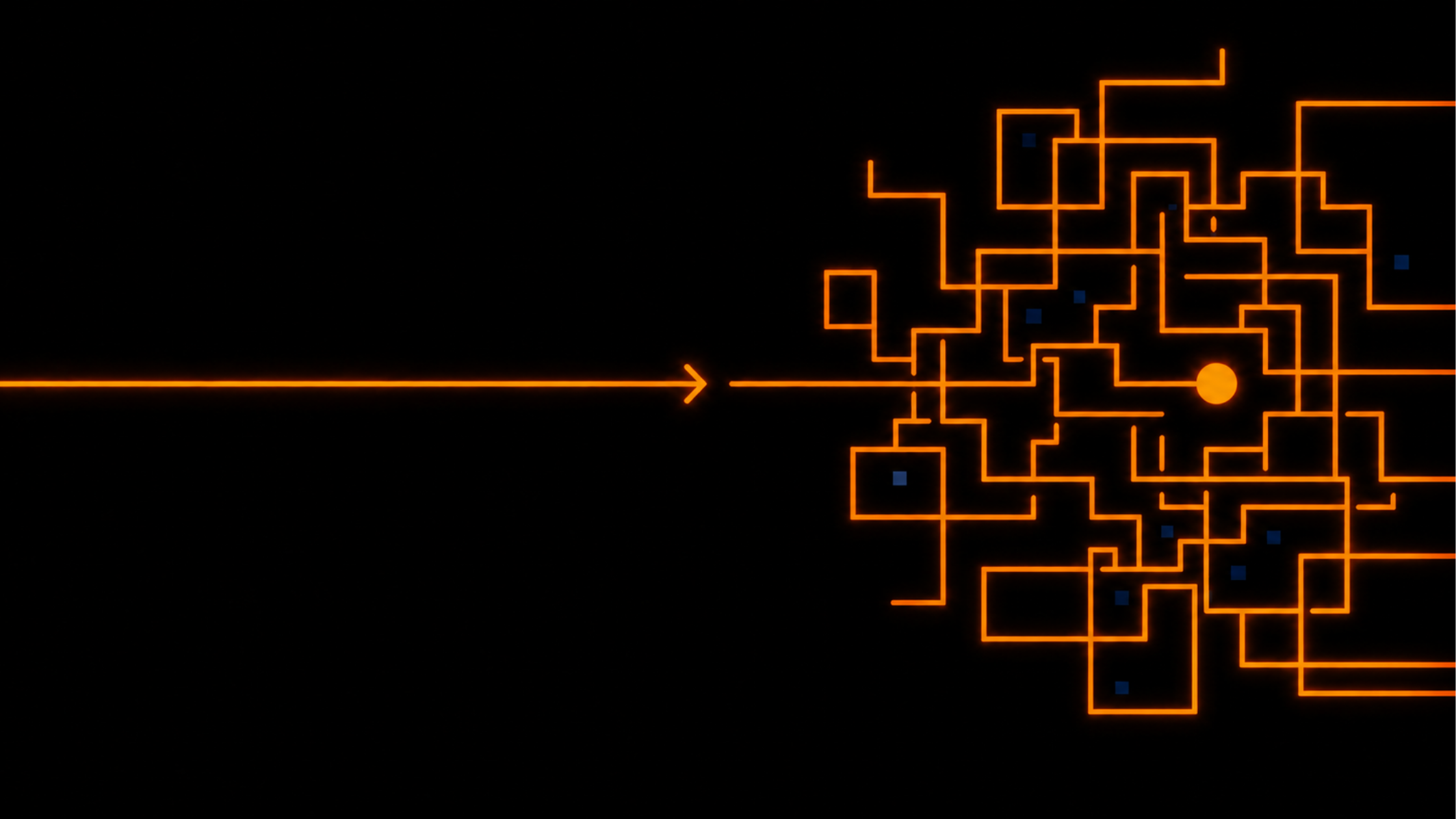
Most software doesn't fail dramatically. It just slowly becomes harder to work with. Updates take longer. Integrations break. The team spends more time working around the system than working with it. Eventually, the software you built to help the business starts holding it back.That's the moment most organisations come to us.
Think of it this way: you have a building that was built 15 years ago. The structure is fine, but the wiring is outdated, the layout no longer fits how people work, and every renovation costs twice what it should because the foundations weren't designed for it. You don't demolish it. You modernise it, carefully, floor by floor, without shutting everything down.That's essentially what we do with software.
We take systems that were built for a different time and rebuild them into something that can carry the business forward. Better architecture underneath. Cleaner workflows on top. And throughout the process, we make sure the people using it are brought along, not just handed something new and told to figure it out.
Modernisation touches more than code. When you change how a system works, you change how people work. That's why we treat it as an organisational change effort — not just a technical one. We work with your team, not just your codebase.

A cross-functional team: engineers, product strategists, business analysts, and project managers. People who understand both the technical side and the operational side of what it takes to successfully replace or rebuild a core system. Strong architecture. Clear communication. Disciplined delivery.

Organisations that need to replace or rebuild a core platform — and want to do it without disrupting day-to-day operations or leaving the team behind.
.png)
Strangler fig modernisation
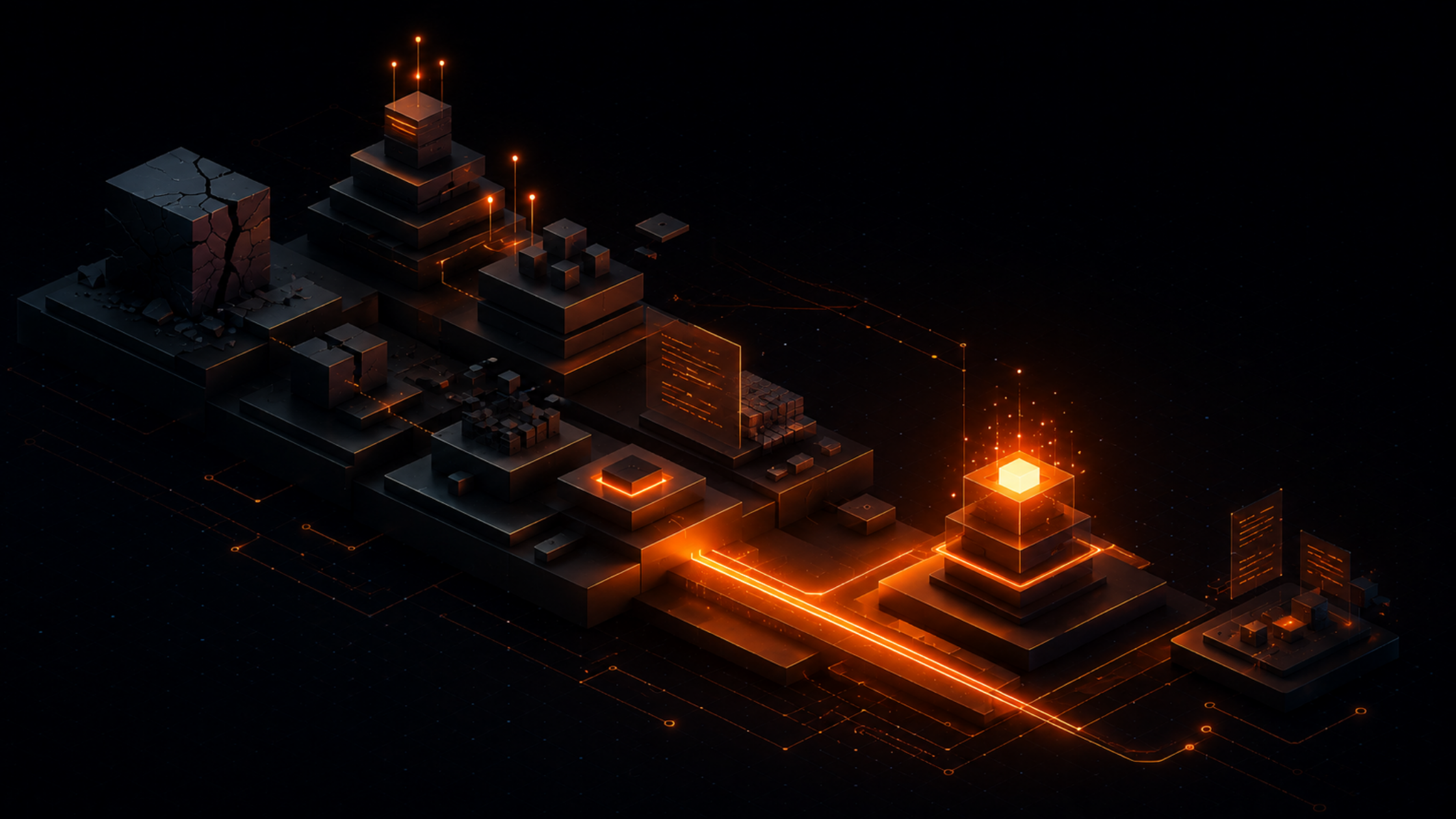
We replace the old system gradually, not all at once. New modules are built and released alongside the existing system. Users migrate over time. When the old core is no longer doing anything useful, it gets retired. No big-bang migrations. No weeks of downtime.
Operational workflow redesign and application rebuild
Sometimes the software is the problem. Sometimes it's the process. Often it's both. We rebuild the application and redesign the workflows it supports at the same time — so the new system doesn't just replicate the old problems in cleaner code.
Consolidation of fragmented tools
Many organisations run on a patchwork of tools that were never meant to work together. Data lives in multiple places. People waste time reconciling information across systems. We bring it into one unified platform — simpler to maintain, easier to use, and far more reliable as a foundation for growth.

Most software doesn't fail dramatically. It just slowly becomes harder to work with. Updates take longer. Integrations break. The team spends more time working around the system than working with it. Eventually, the software you built to help the business starts holding it back.That's the moment most organisations come to us.
Our modernisation service revitalises outdated systems by re-engineering them into more reliable, scalable, and human-friendly platforms. Many organisations have core tools or platforms that were built years ago and never evolved. These systems become bottlenecks: slow to update, hard to integrate, and expensive to maintain. We redesign the architecture, streamline workflows, and bring the product back to a state where it can support growth instead of blocking it.
We approach this with a combination of software engineering, operational redesign, and structured stakeholder engagement. Modernisation succeeds when teams collaborate, the transition is clear, and the new platform becomes a natural extension of how the organisation works.
Modernisation touches more than code. When you change how a system works, you change how people work. That's why we treat it as an organisational change effort — not just a technical one. We work with your team, not just your codebase.
A cross-functional team: engineers, product strategists, business analysts, and project managers. People who understand both the technical side and the operational side of what it takes to successfully replace or rebuild a core system. Strong architecture. Clear communication. Disciplined delivery.
Organisations that need to replace or rebuild a core platform — and want to do it without disrupting day-to-day operations or leaving the team behind.
Strangler fig modernisation
We replace the old system gradually, not all at once. New modules are built and released alongside the existing system. Users migrate over time. When the old core is no longer doing anything useful, it gets retired. No big-bang migrations. No weeks of downtime.
Operational workflow redesign and application rebuild
Sometimes the software is the problem. Sometimes it's the process. Often it's both. We rebuild the application and redesign the workflows it supports at the same time — so the new system doesn't just replicate the old problems in cleaner code.
Consolidation of fragmented tools
Many organisations run on a patchwork of tools that were never meant to work together. Data lives in multiple places. People waste time reconciling information across systems. We bring it into one unified platform — simpler to maintain, easier to use, and far more reliable as a foundation for growth.
If you're looking at a system that's starting to slow things down, we're happy to have an honest conversation about what modernisation could look like for your situation.Get in touch.

From legacy transformation to scalable cloud-native solutions,
we help industry leaders modernise with measurable impact.