How to plan a modernisation programme that moves the business forward without putting operations at risk
Most technology transformation projects don't fail because of bad technology. They fail because there was no clear plan for how to get from where the business is today to where it needs to be. The modernisation effort starts with good intentions, hits a wall when it meets the complexity of a real production system, and either stalls or gets deprioritised.
An application modernisation roadmap solves for that. It's not a high-level vision document, it's a structured, sequenced plan that turns the ambition of modernising your systems into a series of concrete, manageable steps. Done well, it gives leadership visibility into what's being changed, in what order, at what cost, and for what reason.
In this article, we'll walk through what goes into a good modernisation roadmap, how to approach the planning process, and what separates programmes that deliver real value from those that drag on without clear outcomes.
The instinct when facing legacy systems is often to start with the most visible problem — the slowest application, the most complained-about interface, the system that caused the last incident. That's understandable, but it's not always the right starting point.
Modernisation programmes that start from pain points alone tend to produce patchwork results.
You fix one thing, and another dependency breaks. You rebuild one service without fully understanding how it connects to everything around it. You invest in a part of the system that turns out not to be the real constraint on growth.
The right starting point is business outcomes.
What does the organisation need to be able to do in twelve or twenty-four months that it can't do today? Which systems are preventing that? That framing, working backwards from business capability, is what gives a modernisation roadmap its direction. Technology decisions follow from it, not the other way around.
One of the most common patterns we see in established businesses is what we'd call digital fragmentation. The company has grown, systems have been added over the years, and what started as a manageable technology stack has become a patchwork of tools and applications that don't integrate cleanly with each other.
The symptoms are familiar: launching a new service takes longer than it should because of dependencies on old systems.
Customer-facing processes feel clunky because the underlying data is spread across multiple platforms. The development team spends a disproportionate amount of time on maintenance rather than building new capability. Every new initiative has to work around the limitations of the existing architecture rather than building on top of a solid foundation.
This is the situation our client also found themselves in. One of the largest infrastructure-independent providers of internet, SD-WAN, security, and data centre services in the Netherlands, had grown significantly over the years, but their digital ecosystem hadn't kept pace. Systems were fragmented, processes were difficult to automate, and launching new services required navigating a set of legacy constraints that were slowing the whole business down.
They didn't just need an upgrade. They needed a clear roadmap for a full digital transformation.
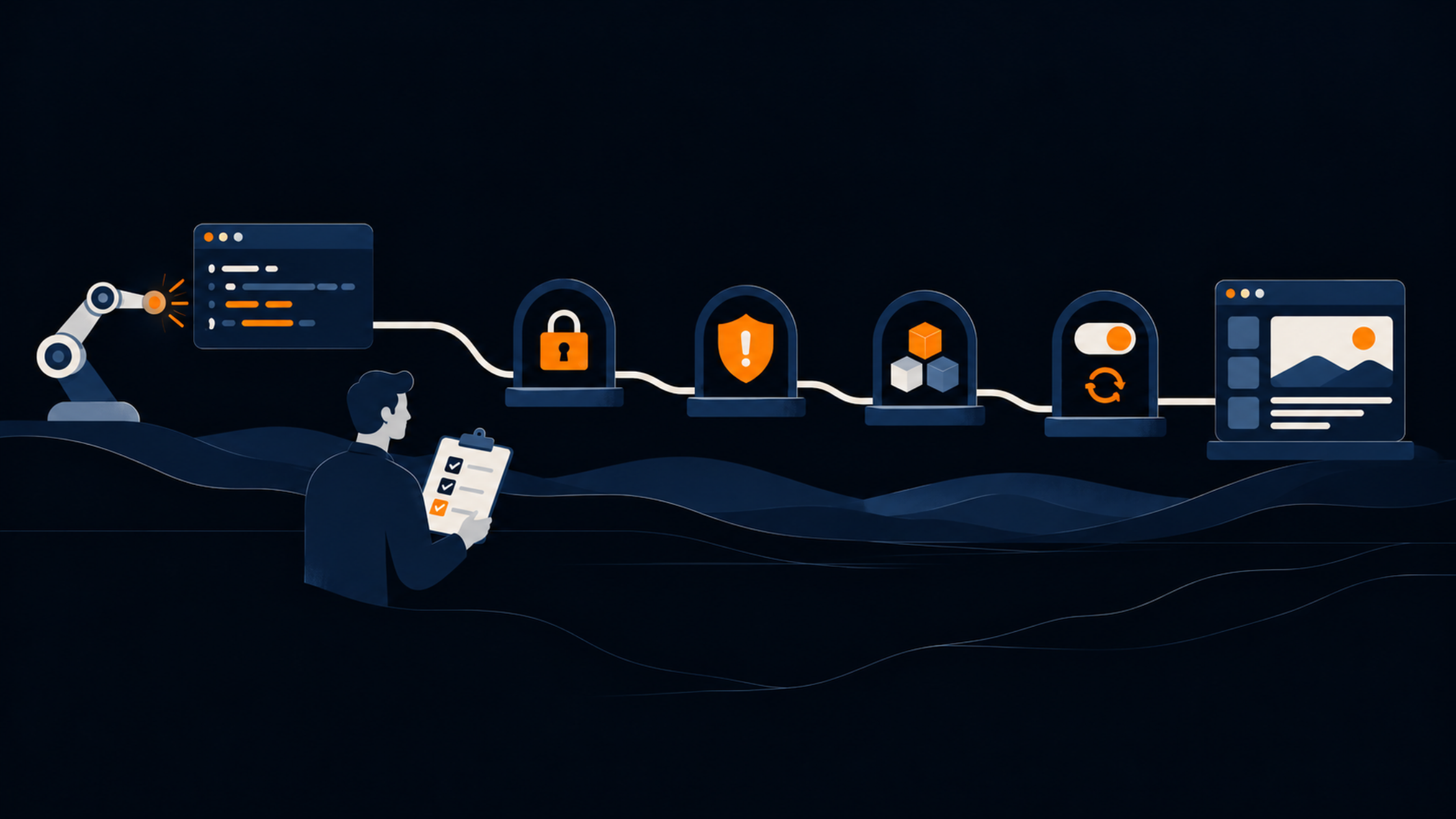
Every engagement is different, but there are four consistent stages that a well-structured modernisation roadmap moves through.
Before any decisions are made about what to change, you need an accurate picture of what you're working with. That means mapping the existing architecture, identifying dependencies, understanding where technical debt has accumulated, and documenting the gaps between what the current systems support and what the business needs them to support. This stage often surfaces problems that weren't visible from the outside and changes the prioritisation of what comes next.
Not everything needs to be modernised, and certainly not all at once.
The roadmap identifies which components or systems have the highest impact on business outcomes, which carry the most risk if left unchanged, and which are interdependent in ways that affect the order of work. Sequencing matters enormously. Get it wrong and you end up doing work twice, or creating instability in systems that depend on each other.
A good modernisation roadmap is built around phases — each with defined scope, clear deliverables, and measurable outcomes.
The first phase is typically the most important to get right, because it sets the pace, builds confidence in the process, and demonstrates to the rest of the organisation that the programme is delivering. We generally recommend phases of three to six months: long enough to achieve something meaningful, short enough to stay accountable.
No roadmap survives contact with reality entirely intact. Business priorities shift. Technical discoveries change the picture. The roadmap needs to be treated as a living document — reviewed at the end of each phase and updated based on what was learned. This is different from scope creep; it's disciplined adaptation.

The roadmap also needs to specify the technical approach for each part of the system. There isn't a single right answer here, and a mature modernisation programme often combines several.
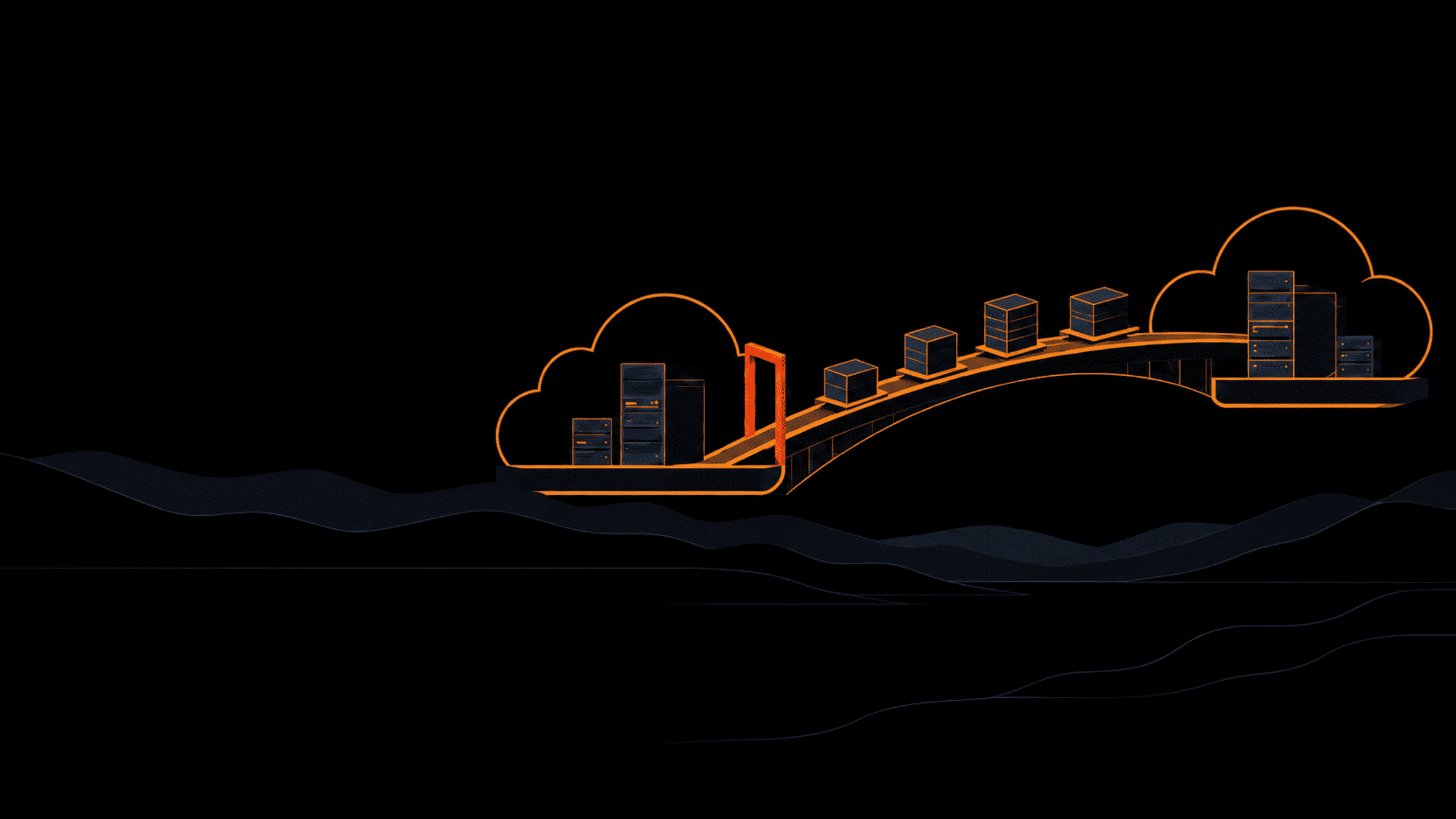
Rehosting, sometimes called lift-and-shift, moves an application to a new environment, typically the cloud, without changing the underlying code. It's fast and low-risk, and can deliver meaningful improvements in cost and reliability without a significant development investment. It's often a sensible first step.
Refactoring improves the existing codebase without changing the application's external behaviour. It pays down technical debt incrementally and makes the system easier to work with, without the risk of a full rebuild. Re-platforming involves moving to a new platform or infrastructure while making targeted modifications to take advantage of it — cloud-native services, managed databases, and container orchestration all fall into this category.
Re-architecting is the most significant option: restructuring the application fundamentally, typically breaking a monolith into modular, independently deployable components. It carries more risk and takes longer, but it's often the right choice for systems that are genuinely constraining growth and where incremental improvement won't be sufficient.
For our previous client, we chose to apply the Strangler Fig pattern, one of the most reliable approaches to re-architecting without disrupting live operations. Rather than replacing the legacy platform all at once, new systems were built to grow around the existing ones. Capabilities were migrated module by module, keeping the business running throughout, until the old architecture could be safely retired. It's a slower approach than a big-bang replacement, but far more controllable — and the risk profile is entirely different.
A modernisation roadmap isn't just a technical document. It needs to communicate clearly to leadership — including non-technical stakeholders — what the programme involves, what it will cost, and what the business will gain from it.
This means translating technical decisions into business language. Not 'we're migrating to a modular architecture' but 'this change will reduce the time to launch new services from months to weeks, and remove the dependency on legacy systems that's currently blocking product development.' The technology is the mechanism; the business outcome is the message.
It also means being honest about risk and timeline. Modernisation programmes that over-promise and under-deliver lose credibility quickly, and once confidence is lost it's hard to rebuild. A roadmap that acknowledges complexity, identifies risks, and sets realistic expectations is a much stronger foundation than one that makes everything sound straightforward.
Businesses that approach modernisation without a clear roadmap tend to end up in a familiar place: some improvement in isolated areas, but no coherent progress toward a system that genuinely supports growth. Technical debt gets paid down in one area and accumulates in another. Development capacity gets consumed by maintenance rather than innovation. The same conversations about legacy constraints happen year after year.
There's also a compounding effect. The longer modernisation is deferred, the more complex and costly it becomes. Systems that were manageable five years ago become critical dependencies that are very difficult to change without significant risk. According to Gartner, technical debt is expected to reach $5 trillion globally by 2026 — a figure that reflects a collective pattern of deferred decisions that are now significantly constraining what businesses can do with their technology. The organisations that build their modernisation roadmap early — before systems become genuinely fragile — have a much easier time executing it.
Building an application modernisation roadmap starts with a structured assessment of your current systems and a clear articulation of where the business needs to go. From there, the roadmap takes shape — identifying what to address, in what order, and with what approach.
At Itsavirus, we've been working on application modernisation and digital transformation with clients across Europe and ASEAN for over 15 years. We typically begin with a discovery engagement: a focused technical review that gives us and the client a shared understanding of the current state and the options available. From that, we build a roadmap that's grounded in the business's actual priorities and constraints, not a generic template.
If your systems are starting to feel like a constraint rather than an enabler, it's worth having a conversation. The path forward is usually clearer than it looks from inside the problem.
Itsavirus is a strategic software development partner helping businesses turn digital disruption into competitive advantage. To explore what an application modernisation roadmap could look like for your organisation, book a discovery session with our team here