AI automation has a credibility problem.
The demo looks brilliant, the model drafts the email, classifies the ticket, summarises the report.
Then the workflow goes live, runs unsupervised, and three weeks later someone finds it has been quoting a pricing structure you retired last year.
The cause is usually the same.
The model is answering from general knowledge when it should be answering from your data.
Retrieval-augmented generation, or RAG, is how you close that gap. It is not a new idea, but in automated processes specifically, it is often the single design decision that separates a system you can trust from one you have to babysit.
A language model on its own works from whatever it learned during training. Ask it about your refund policy and it will produce something plausible, because plausible is what these models are built to do. Plausible is not the same as correct.
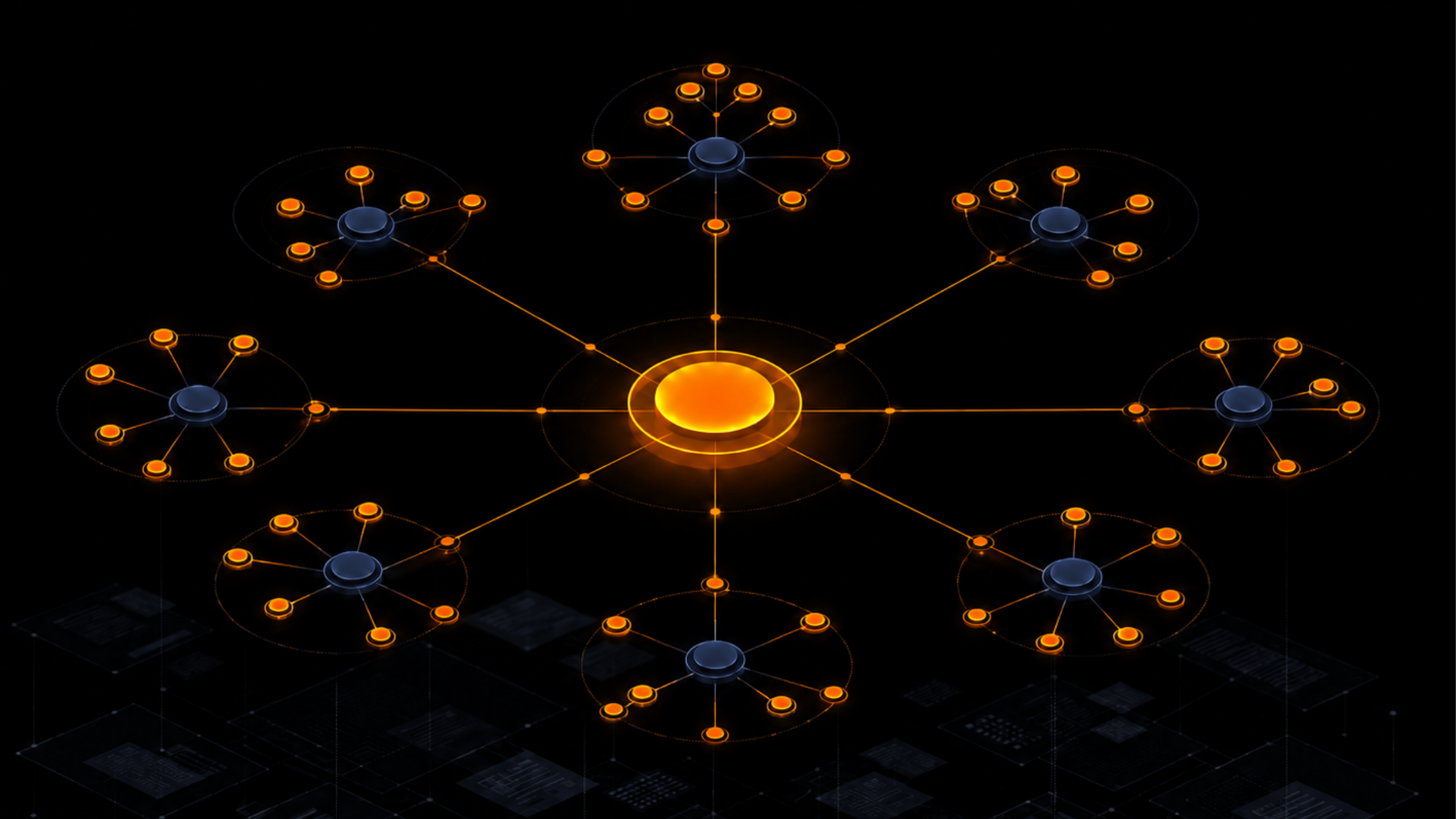
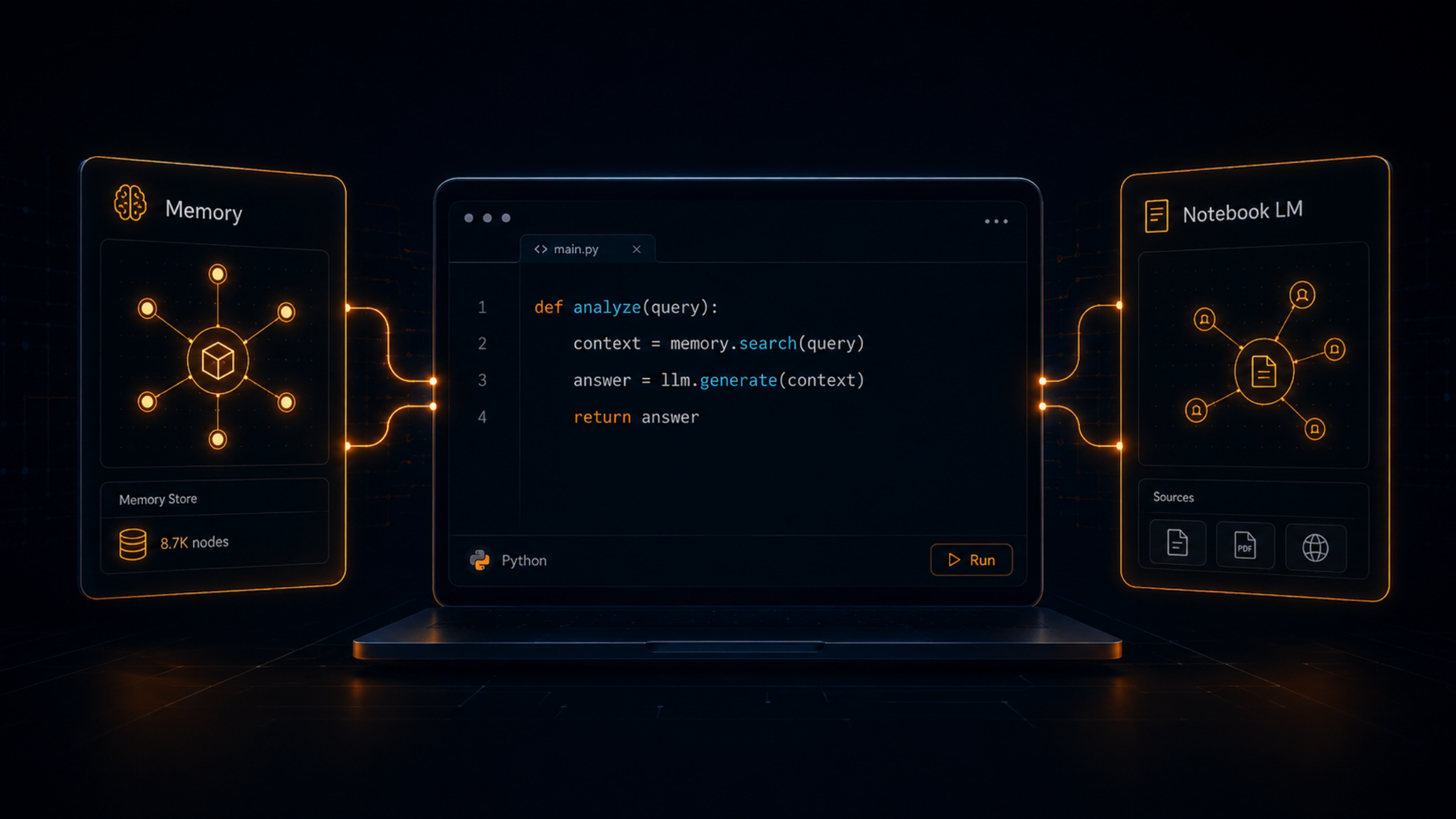
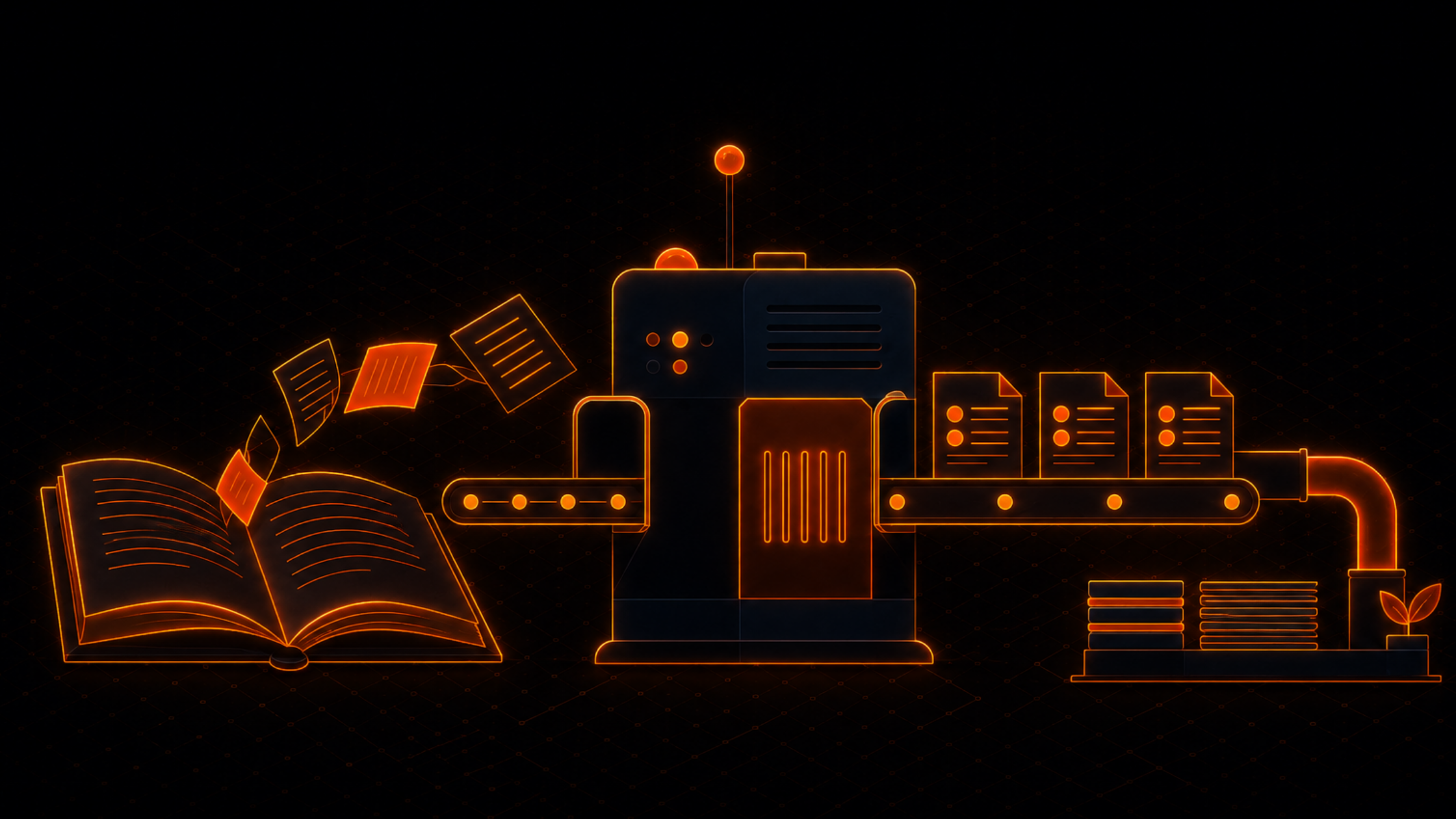
RAG changes the setup. Before the model answers, the system searches your own sources: documentation, contracts, product data, past tickets, whatever is relevant to the task. The most useful passages are retrieved and placed in front of the model, which then answers based on what it was just shown rather than what it vaguely remembers.
A useful way to think about it: a closed-book exam becomes an open-book one. The model still does the reasoning and the writing, but the facts come from material you control.
When a person uses a chatbot, there is a human in the loop by definition. A wrong answer gets spotted, corrected or ignored. Mildly annoying, rarely dangerous.
Automation removes that safety net. An automated process acts on its outputs. It sends the email, updates the record, routes the invoice, publishes the summary. If the model hallucinated a detail, that detail is now in a customer's inbox or your finance system, and nobody was watching.
Three failure modes show up repeatedly in ungrounded automation:
That last point is easy to underestimate. In regulated or client-facing processes, being able to show your working is often worth as much as being right.
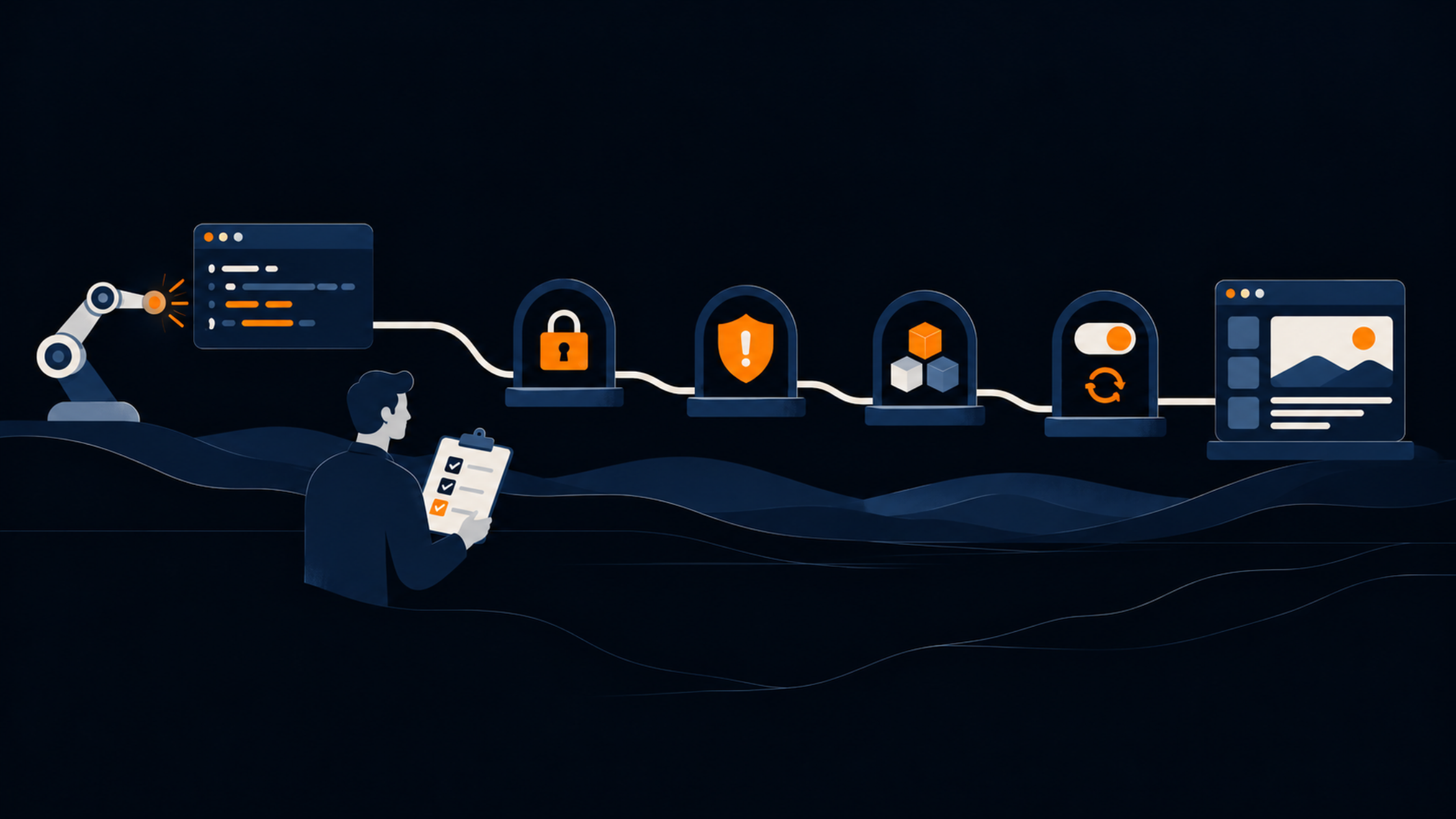
When we design automated processes around language models, we structure them in four stages.
Retrieve. The workflow pulls the relevant source material for this specific task. Not the whole knowledge base, just what applies: this client's contract, this product's specification, this quarter's figures.
Ground. The model is instructed to answer only from the retrieved material, and to say so when the material does not cover the question. An automation that escalates to a human is doing its job. An automation that guesses is not.
Act. The output feeds into the next step: a draft, a database update, a routed ticket. The scope of the action should match your confidence in the grounding. Drafting for human review is a sensible starting point; fully autonomous actions come later, once the system has earned it.
Verify. Outputs are checked against the sources they cite, either by a second automated pass or by sampling in human review. Retrieval makes this possible in the first place, because every answer has a traceable origin.
None of this is exotic engineering. It is mostly discipline about where information enters the system and how far outputs are allowed to travel before someone or something checks them.
Teams sometimes treat RAG as a checkbox: connect a vector database, done. In practice, reliability is decided by quieter choices.
The first is what you index. Retrieval is only as good as the sources behind it. Outdated documents in the index are worse than no documents, because they arrive with the authority of "your own data". Curating and versioning sources is unglamorous work and it is where most of the value sits.
The second is how content is structured. Long documents need to be split into passages the system can retrieve precisely. Split them carelessly and the model receives half a policy or a table separated from its heading. The structure of your source material matters as much as the retrieval algorithm.
The third is freshness. Decide how often the index updates and who owns that process. A RAG system reading last month's price list has the same problem it was built to solve, one step removed.
The fourth is access control. Retrieval systems happily surface anything in the index. If the automation serves multiple clients or teams, the index needs the same permission boundaries as the underlying data.
And finally, evaluation. Build a small test set of real questions with known correct answers, and run it every time you change the index, the prompts or the model. It takes an afternoon to set up and it turns "it seems fine" into something you can defend.
In our own work at Itsavirus, retrieval is a standard layer in the automation we build, including the multi-agent systems we run internally for content and outreach. Each agent works from retrieved company material rather than from memory, which is why the outputs stay consistent with what the business actually offers.
For a client example, our work with Ecologies followed the same principle. Their challenge was data overload: environmental reporting that required pulling accurate figures from large, changing datasets. The automated reporting we built retrieves from the governed data directly, so the reports stay accurate and compliant as the underlying data moves. The automation is trusted because every number in it can be traced back to a source.
Balance matters here. If the task is a deterministic lookup, such as fetching a customer's current balance, you want a database query, not a language model with retrieval attached. RAG adds moving parts, and every moving part is something to maintain and monitor.
RAG earns its place when the task involves understanding and producing language over a body of knowledge that changes: answering from documentation, drafting against contracts, summarising reports, classifying with context. If your automation does none of that, keep it simple.
Pick one process where wrong answers currently cost you review time or credibility. Put retrieval in front of the model, restrict it to grounded answers, keep a human on the output for the first month, and measure the correction rate. That number will tell you more about your readiness for autonomous automation than any vendor benchmark.
If you are weighing up where retrieval fits in your own processes, we are happy to think it through with you. You can reach us at itsavirus.com.
.jpeg)


RAG is a technique where a system retrieves relevant material from your own sources, such as documentation or product data, and gives it to a language model before it answers. The model responds based on what it was shown rather than its general training data, which makes outputs more accurate and traceable.
A chatbot has a human reading every answer, so mistakes get caught. Automated processes act on their outputs directly, sending emails or updating records without review. Grounding those outputs in retrieved company data reduces invented details and makes every answer traceable to a source.
For deterministic lookups, such as fetching a current account balance, a direct database query is simpler and more reliable. RAG is worth its added complexity when the task involves understanding or producing language over a changing body of knowledge, such as answering from documentation or drafting against contracts.