AI is quickly becoming part of everyday work. Copilots assist developers, analysts automate reporting, and teams experiment with autonomous agents in everything from customer support to planning. Productivity gains are real, visible, and motivating. Many organisations already experience faster delivery, better insights, and less repetitive work.
As AI becomes embedded in daily operations, there is a new question being asked:
How do we keep work coordinated, predictable, and sustainable as humans and AI start working together?
That question is where workforce digital twins come into play.
A digital twin is a virtual representation of a real system that stays connected to reality.
It mirrors what is happening in that system continuously, using real operational signals. This allows you to observe how things work today and explore how they might work tomorrow, without taking unnecessary risks.
Digital twins have been used for years in engineering. Factories use them to understand production flows. Energy companies use them to simulate load and failure scenarios. Airlines use them to monitor aircraft performance.
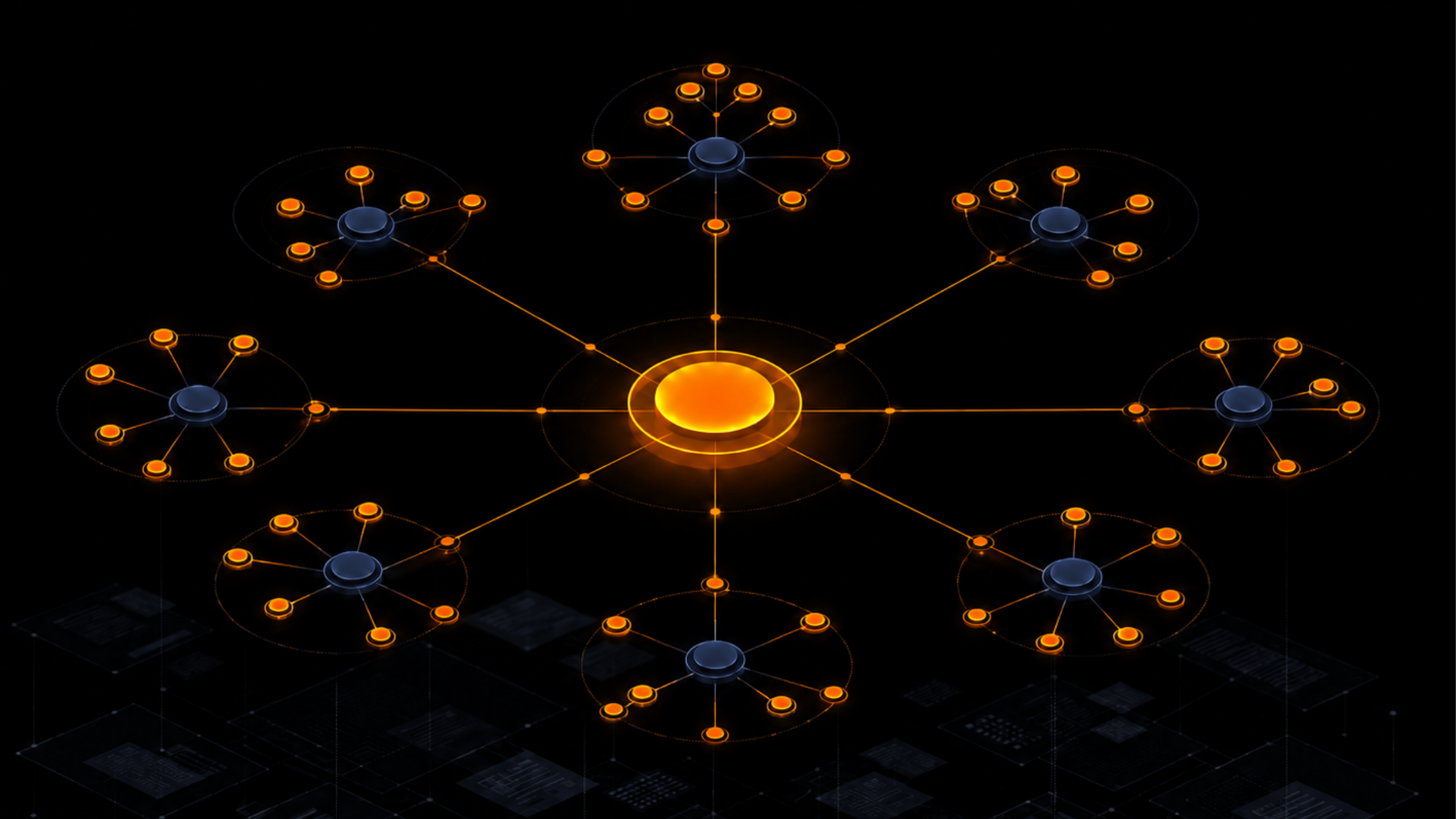
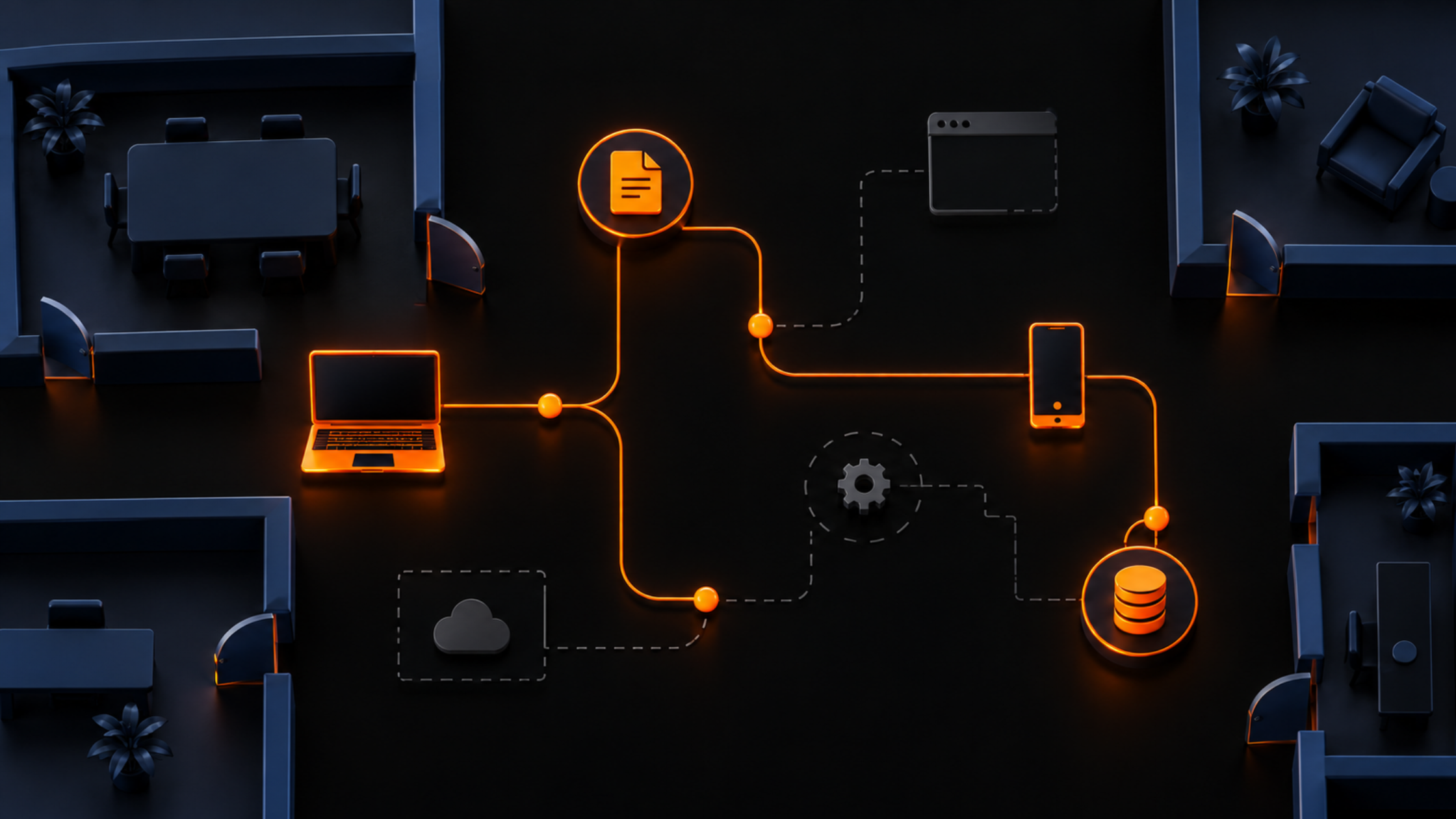
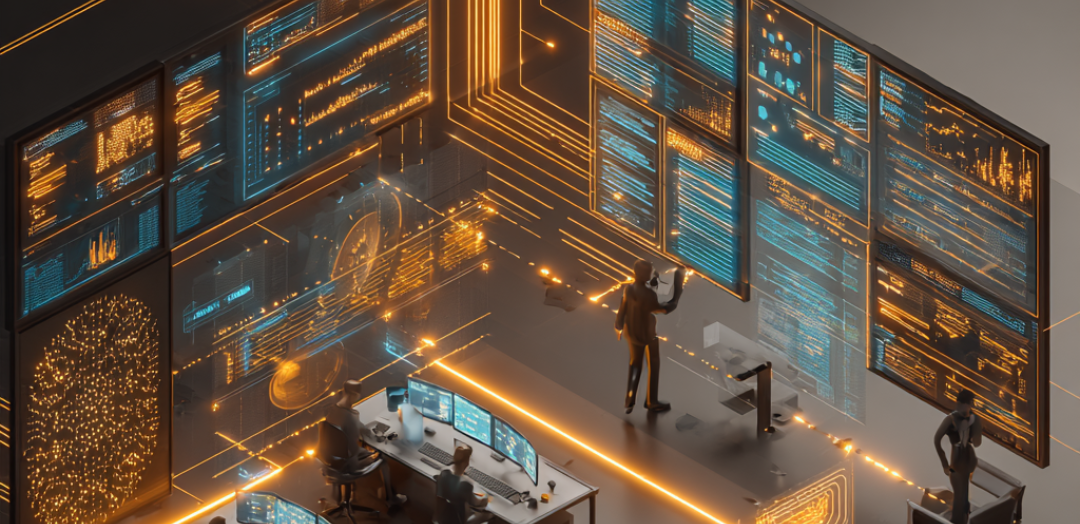
The same principle now applies to organisations.A workforce digital twin is a living model of how work moves through your company. It reflects how people collaborate, how tasks are distributed, how skills are applied, how systems interact, and how decisions ripple across teams. Increasingly, it also includes AI copilots and autonomous agents as part of that system.
As teams move faster, dependencies become more visible. Handoffs matter more. Decisions propagate quicker. Small misalignments surface sooner.
Workforce digital twins help leaders interpret that signal. Instead of reacting to issues after they appear, leaders can understand how workloads, skills, processes, and AI systems interact as one coherent system.
A workforce digital twin continuously reflects operational reality by connecting to the tools teams already use. Delivery systems, communication platforms, calendars, and workflow tools feed the model with live signals.
From this, the twin reveals patterns. Where work concentrates. How collaboration flows. Which roles are stretched. Where delays tend to appear. How AI tools change behaviour once they are introduced.
The real power emerges when simulation enters the picture. Leaders can explore questions such as:
Organisations that use workforce digital twins notice a few consistent shifts. Planning becomes more confident because scenarios can be explored before decisions are final. Teams adapt faster because upcoming pressure points are visible earlier. Collaboration improves because dependencies are no longer implicit. Training becomes more effective because new workflows can be practised safely. Most importantly, AI adoption feels less disruptive.
It becomes part of an evolving operating model rather than an external force.
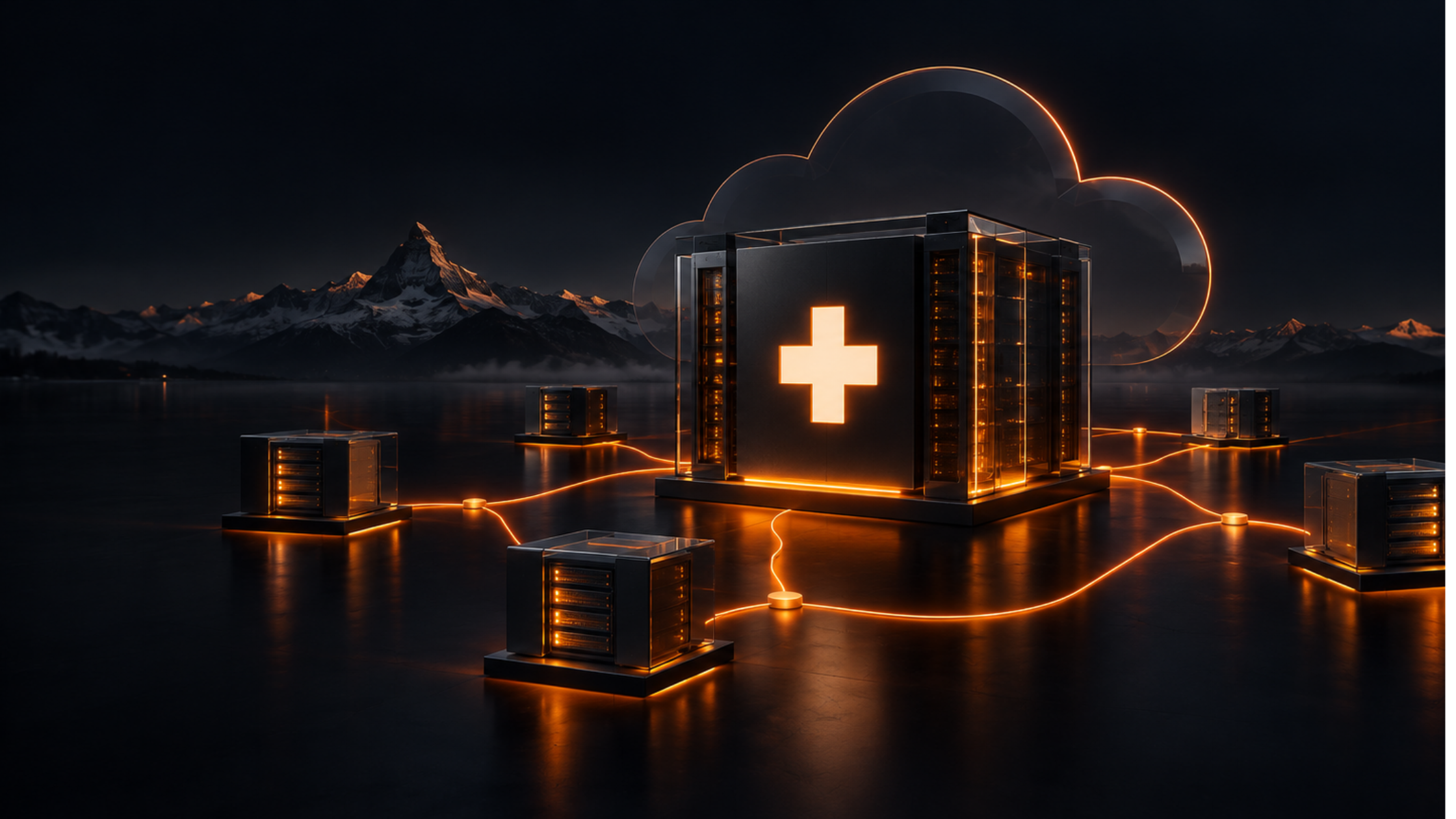
In practice, a workforce digital twin sits underneath AI initiatives as shared infrastructure.
It acts as:
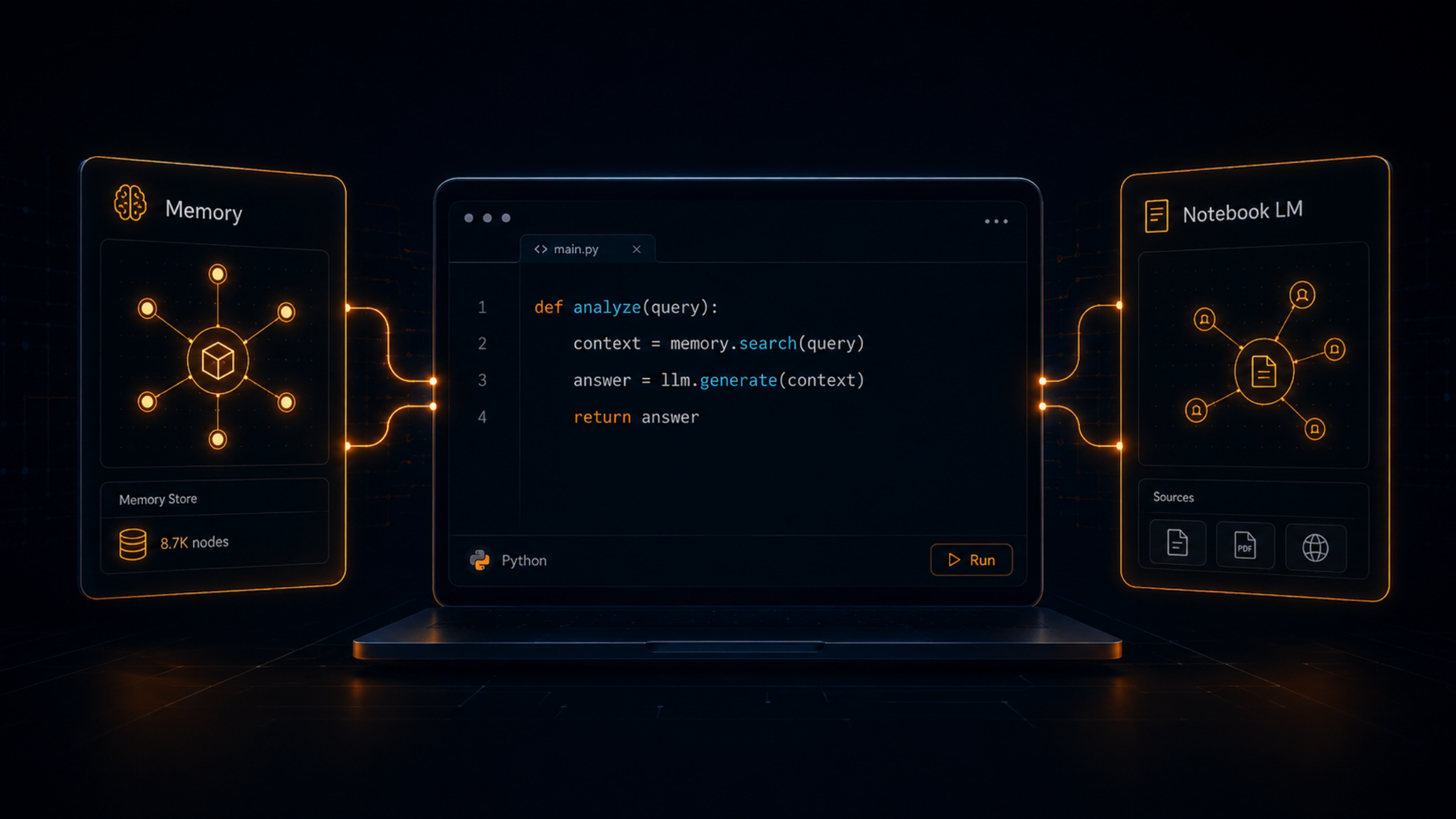
Combined with document-driven development and AI agents treated as first-class contributors, it allows organisations to scale AI without scaling complexity at the same rate.
Most organisations start by connecting existing tools and building a first model of how work flows today. From there, skills, collaboration patterns, and dependencies become visible. AI-specific scenarios can then be simulated before being rolled out in production.
Ethical deployment is essential. The focus stays on workflows and systems, not on surveillance. Transparency, clear boundaries, and trust are prerequisites, especially in European organisational cultures.
As AI capabilities evolve, the digital twin evolves with them.
AI increases organisational potential. At the same time, it increases the need for clarity.
The organisations that succeed with AI are not necessarily the ones with the most advanced models. They are the ones that understand how work, people, and AI interact as a system.
A workforce digital twin provides that understanding. It becomes the operating system beneath sustainable AI adoption.
At Itsavirus, we approach AI transformation as an engineering challenge rather than a tooling exercise. We combine workforce digital twins with document-driven development, AI agents as team members, modern system architecture, and secure deployment models. The goal is not speed alone, but predictable, scalable progress that fits European organisational expectations.
If you are exploring how to bring structure and confidence into your AI initiatives, we are always open to exchanging perspectives.