In technology, choosing not to act shapes outcomes just as much as choosing to move forward.
What looks like a sensible pause in year one often becomes a structural cost by year three, and a strategic constraint by year five.
The delay itself becomes part of the system.
When teams postpone modernisation, they are not holding costs steady.
They are deferring them, and paying interest in the background.
Each year of delay quietly adds pressure:
These effects do not exist in isolation. They stack.
Bugs take longer to trace because the system has more edge cases. Small changes require workarounds because assumptions are no longer clear. Engineers spend more time understanding how things work than improving how they should work.
This is why technical debt does not grow incrementally. It compounds.
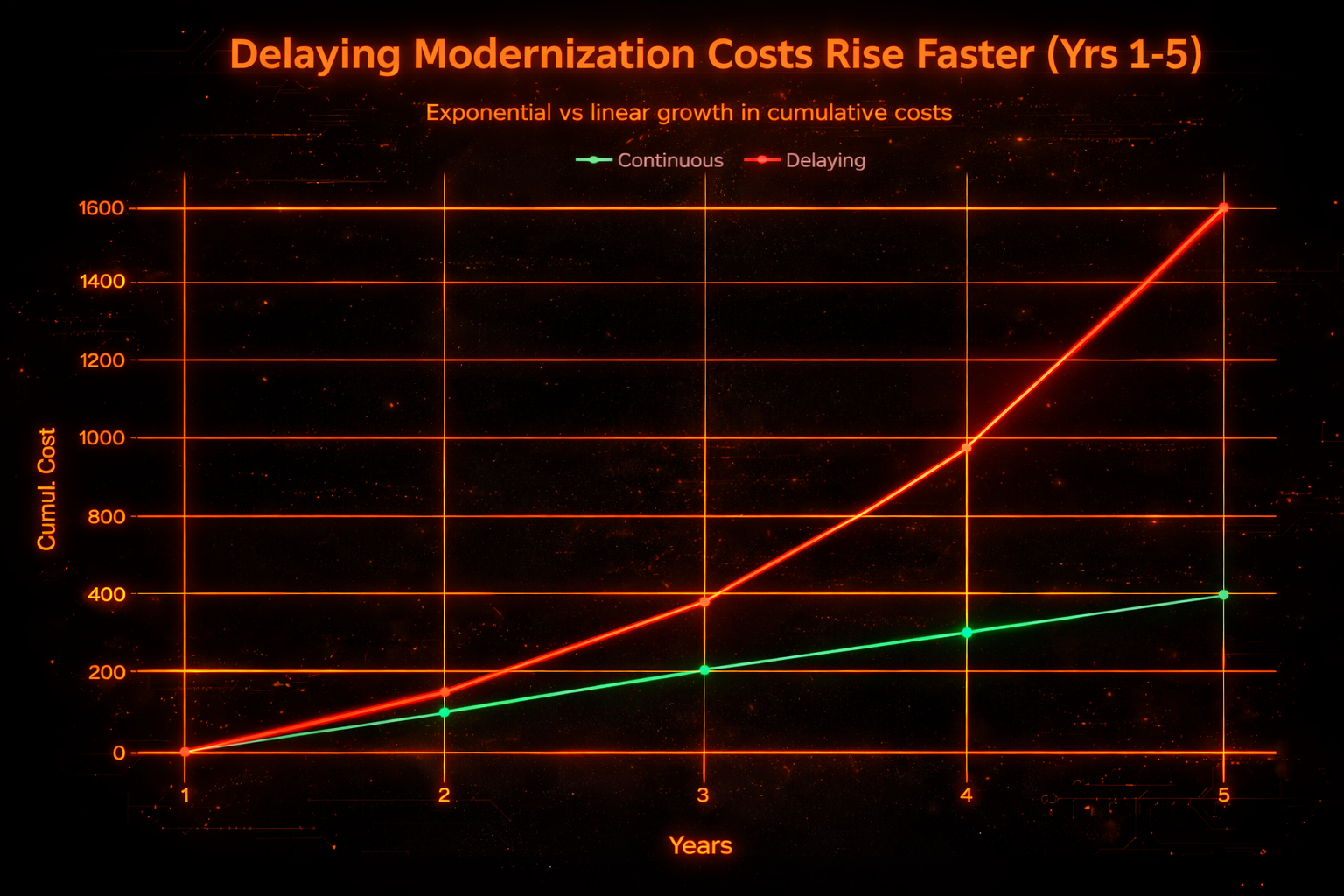
Technical debt rarely grows in straight lines. The longer modernisation is postponed, the more effort is required just to stand still.
From a narrow budgeting perspective, delay can look reasonable.
There is no immediate investment, no visible disruption, and no forced reprioritisation. On paper, nothing changes.
What this view misses is structural drag. The costs are real, but they sit below the surface:
By the time these effects appear in delivery metrics or customer outcomes, the cost curve has already steepened. Reversing course becomes harder, not easier.
There are two common paths organisations take.
One is continuous modernisation. Small, deliberate improvements are woven into regular delivery cycles. Systems evolve gradually. Costs remain visible, predictable, and manageable.
The other is delayed modernisation. Systems are left untouched until change becomes unavoidable. When action is finally forced, complexity has compounded and costs accelerate sharply.
The difference is not tooling or architecture. It is timing and discipline.
Modernisation is often framed as innovation. In practice, it is closer to risk reduction.
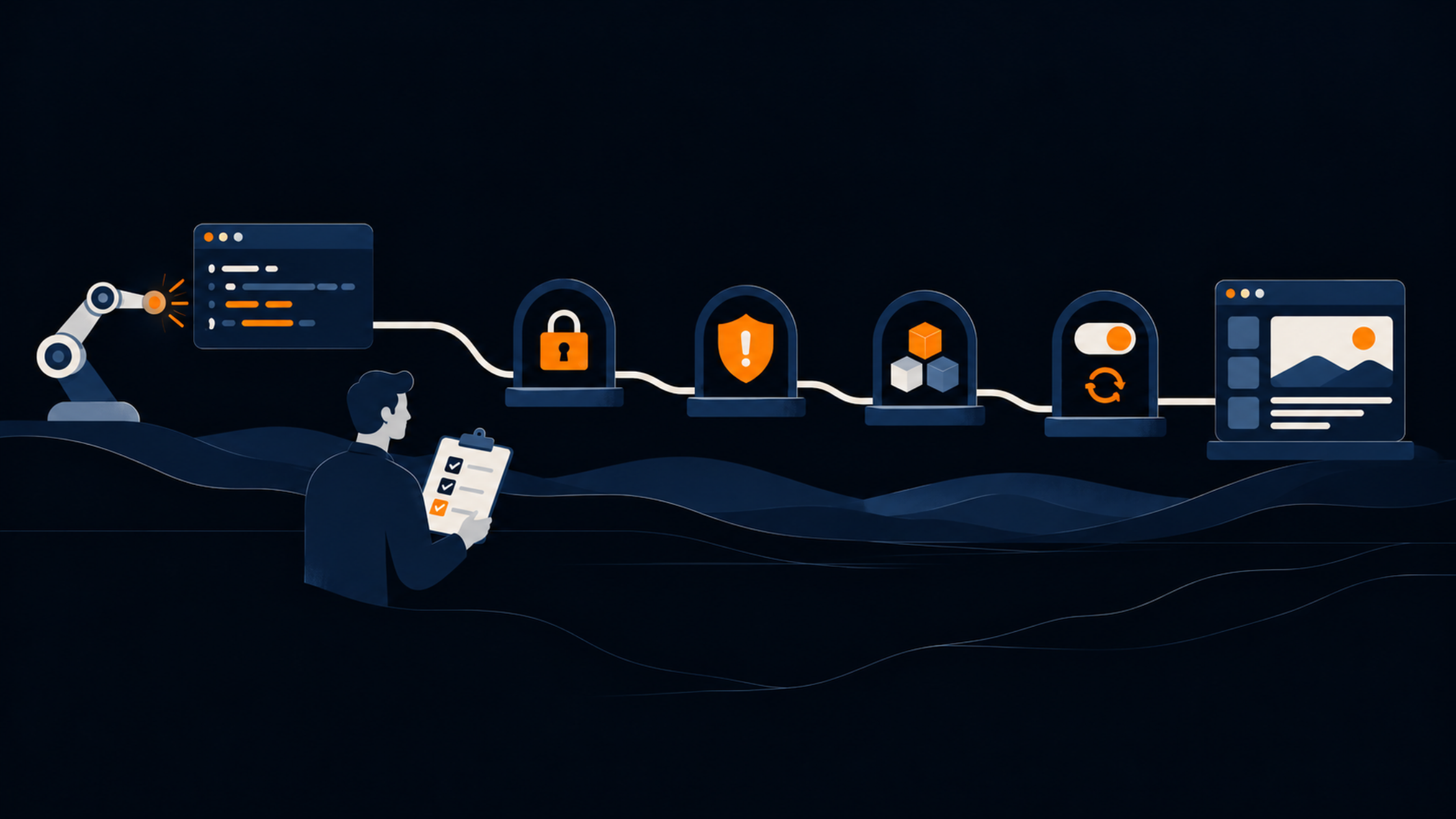
Incremental upgrades reduce blast radius, preserve business continuity, and keep teams adaptable. They protect future strategic options by preventing the system from becoming fragile or opaque.
Waiting, by contrast, concentrates risk into a single moment. Change happens under pressure, with fewer options and higher stakes.
If your systems are critical to how your business operates, delay is already a decision.
The question is not whether technical debt will be paid down. It is how and when you choose to pay for it.
At Itsavirus, we help teams turn modernisation into a controlled, ongoing process rather than a disruptive rescue project carried out under urgency.
If this pattern feels familiar, it may be worth assessing where your systems sit on the curve, before time makes the decision for you. Feel free to reach out to our team here.