Most technology leaders already know their legacy systems are slowing them down. Fewer know what to do about it, because “modernise the stack” sounds straightforward right up until you're mid-migration, the business still needs to run, and every sprint becomes a trade-off between fixing the old and building the new.
That tension is the reason so many modernisation projects get pitched as one-off rewrites and then quietly shelved. A better approach treats modernisation as something you do continuously, in small increments, alongside normal delivery. It's slower to announce and far easier to finish.
Legacy debt doesn't usually arrive through negligence. It builds up through years of reasonable choices: a framework that was the right pick five years ago, a shortcut taken to hit a launch date, an integration bolted on because the roadmap didn't allow time to do it properly. Each decision made sense at the time. The debt is the sum of all of them.
The result is a system that still works, but works against you. New features take longer to ship. Onboarding new engineers takes weeks instead of days, because half of the knowledge required to touch the codebase safely lives in someone's head rather than in the code itself. And every roadmap conversation eventually runs into the same wall: we can't build that on top of what we have.
The instinctive fix is a full rewrite: freeze the old system, build the new one from scratch, cut over on a set date. It's a clean story, and it's rarely how it plays out.
None of this means rewrites never work. Some systems genuinely need one. But for most organisations, the risk profile of a big-bang rewrite is worse than the legacy debt it's meant to fix.
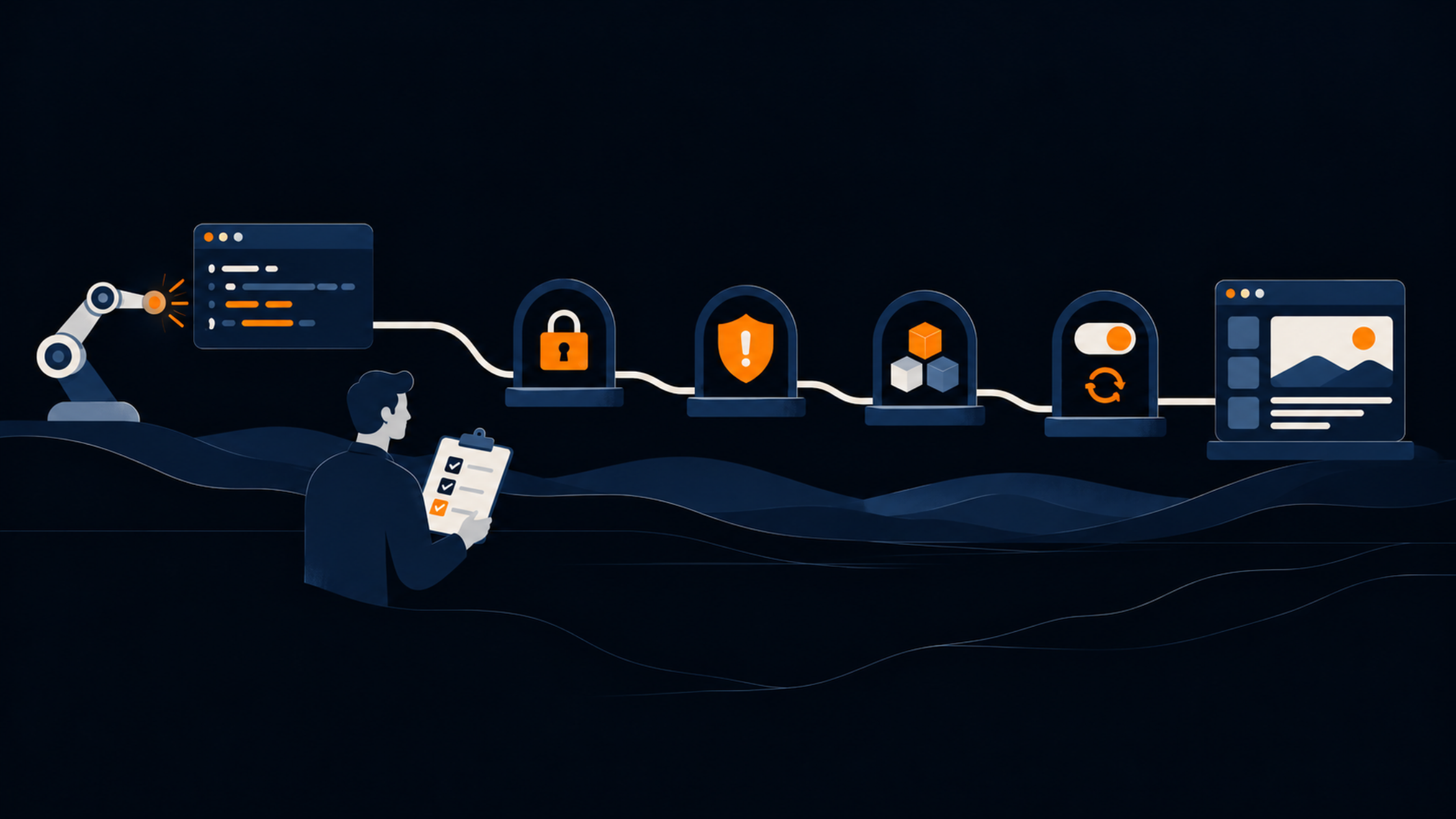
Continuous modernisation treats the legacy system as something you replace piece by piece, while it stays live and the business keeps running on it. In practice, that means a small set of disciplined habits rather than a single big project.
In our own application modernisation work, this incremental pattern is what lets clients keep shipping customer-facing features while ageing components get replaced underneath them, without a multi-month freeze on the rest of the roadmap.
Modernisation done this way stops being a cost centre and starts compounding into an advantage, for a few concrete reasons.
First, speed. A codebase with less accumulated debt lets your team ship features in the time competitors spend untangling dependencies. Second, resilience. Incremental modernisation comes with the monitoring and rollback discipline that a rushed rewrite usually skips, so failures are smaller and recovery is faster. Third, it opens the door to AI and automation work that legacy systems often can't support cleanly, because those tools need consistent interfaces and reliable data to be useful rather than risky.
There's a people dimension too. Engineers stay longer on systems they can reason about. Continuous modernisation is one of the more direct ways to protect that, because it removes the parts of the codebase that make experienced people want to leave and make new hires slow to ramp up.
You don't need a full modernisation strategy before you begin. Start by identifying the one component that costs your team the most time or the most risk today, and ask what it would take to wrap it, test it, and replace it without stopping everything else. Get that pattern working once, and it becomes the template for the next component, and the one after that.
That's the core of continuous modernisation: not a single transformation, but a repeatable practice that turns legacy debt from a standing liability into a steady source of advantage. Let's talk about how this framework could apply to your product. Get in touch at itsavirus.com.
.jpeg)

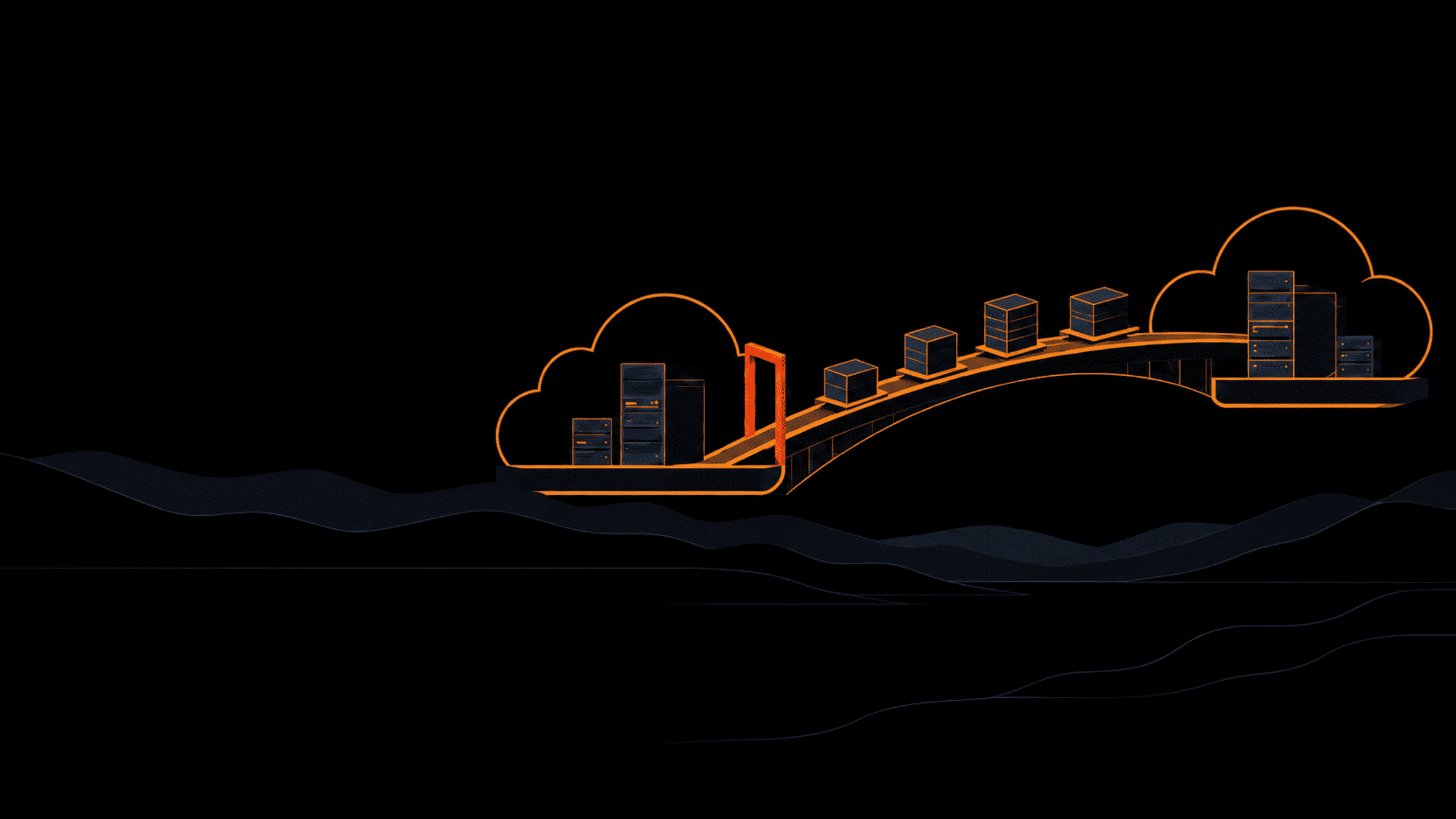
A full rewrite replaces the system in one project with a fixed cutover date. Continuous modernisation replaces components incrementally, behind stable interfaces, while the system stays live.
With the single component causing the most engineering drag or customer friction, wrapped, tested, and replaced on its own before moving to the next.