There is a version of this problem that looks like a technology issue, but it is not.
When a European SME cannot adopt AI meaningfully, the reason is almost never that AI is too complex or too expensive. The reason is almost always that the systems underneath are too old to participate.
Your AI strategy is only as strong as your oldest system.
That is not a consulting cliché. It is the finding repeated across every major enterprise research report published in the first half of 2026. Deloitte, McKinsey, PwC, and Gartner all arrive at the same place: the companies getting measurable returns from AI are not the ones that adopted better models. They are the ones that rebuilt the infrastructure underneath.
Nearly 60% of AI leaders name legacy system integration as their primary barrier to advanced AI adoption. Not budget. Not talent. Not tools. The systems they built ten or fifteen years ago.
The pattern has a name now: the isolated AI trap.
It looks like this. A business buys a chatbot. It deploys a document classifier. It adds a copilot to one team. Each tool works in its own demo. Each tool fractures the moment it touches the real data flowing through a 2009 monolith.
The result is a growing portfolio of disconnected experiments. Each with its own pipeline. Each with its own workarounds. None of them connected to the actual business logic that makes the company run.
Meanwhile the cost of maintaining the old systems keeps climbing. The engineers who understood them are retiring. The vendors who supported them have moved on. And the window to act before something breaks badly is getting shorter.
The global legacy modernization market is sitting at $29 billion in 2026. It is projected to reach $66 billion by 2031. That growth is not speculative. It is already happening in procurement budgets across the sector.
What changed? Two things arrived at the same time.
First, AI became genuinely useful for modernization work itself. Agentic systems can now analyze large legacy codebases, map complex dependencies, generate documentation, and produce safe refactoring plans in weeks rather than months. Work that used to require a large internal team or a multi-year engagement can now be scoped and sequenced far more precisely.
Second, the EU AI Act changed the regulatory calculus. The high-risk AI requirements take effect on August 2, 2026. Dutch supervisory authorities have enforcement powers. The compliance deadline is not a distant planning item anymore. It is 48 days away.
For any SME in the Netherlands, Belgium, or Germany that uses AI in hiring, customer assessment, fraud detection, or operations, the question is no longer whether to modernize. It is whether to do it before the deadline or after the fine.
Forty-five percent of modernization budgets in 2026 are now allocated to AI-driven solutions, up from 28% two years ago.
That shift reflects something real. The organizations that invested early are not spending more to maintain their systems. They are spending less. And they are moving faster.
PwC put the math plainly: technology delivers around 20% of the value from AI investments. The other 80% comes from redesigning the processes around it. Most companies skip the second part and then wonder why the AI is not working.
The cost is not just the maintenance bill. It is the senior engineers spending their best hours on infrastructure that should not exist in its current form. It is the sales cycle that slows down because your system cannot produce the data a prospect asked for. It is the competitive gap that widens every quarter against a smaller competitor who modernized two years ago and is now operating at half the overhead.
The incremental approach is now validated. You do not need to rebuild everything at once. You do not need to shut down production. You do not need to run a two-year programme before you see results.
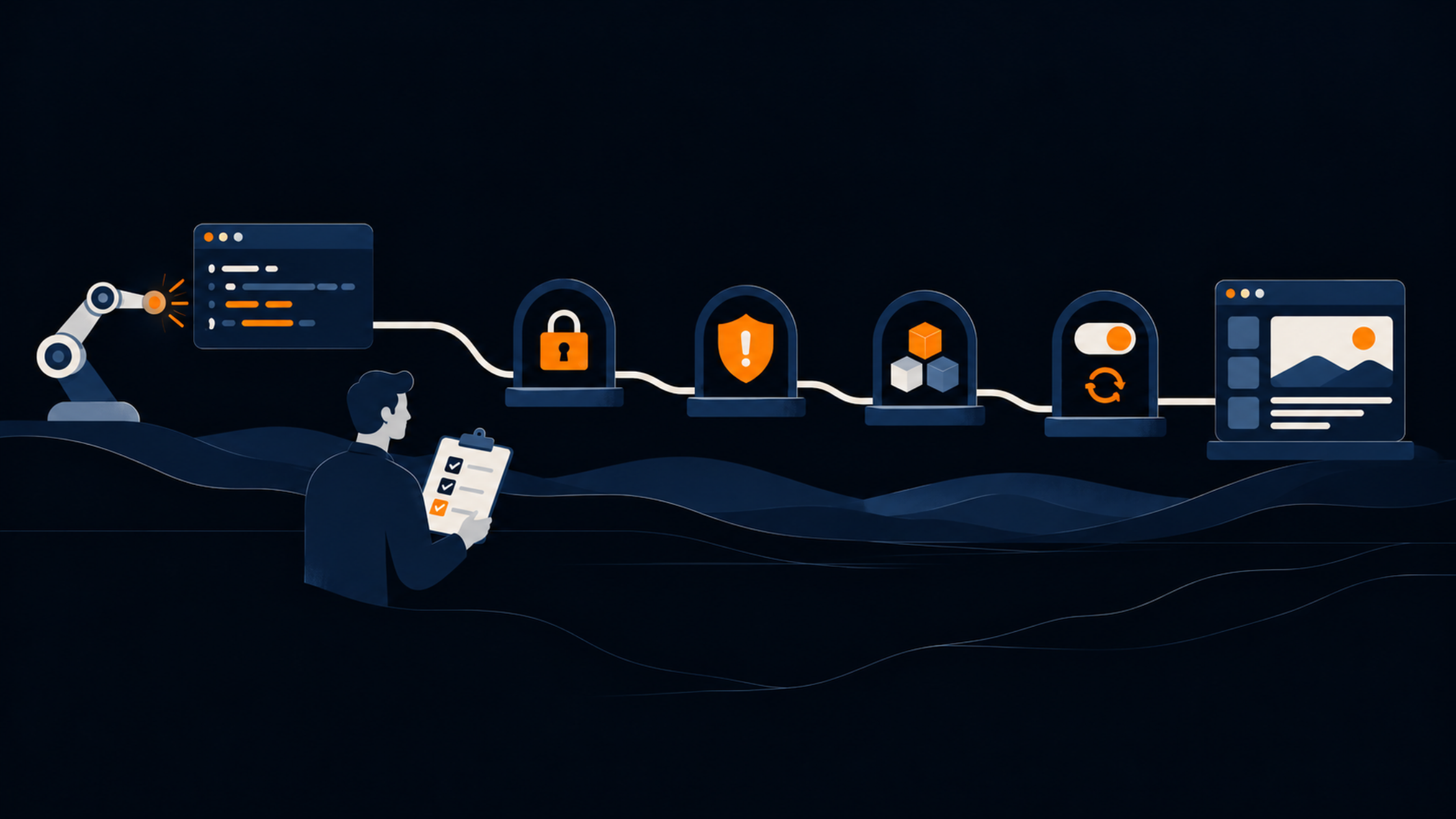
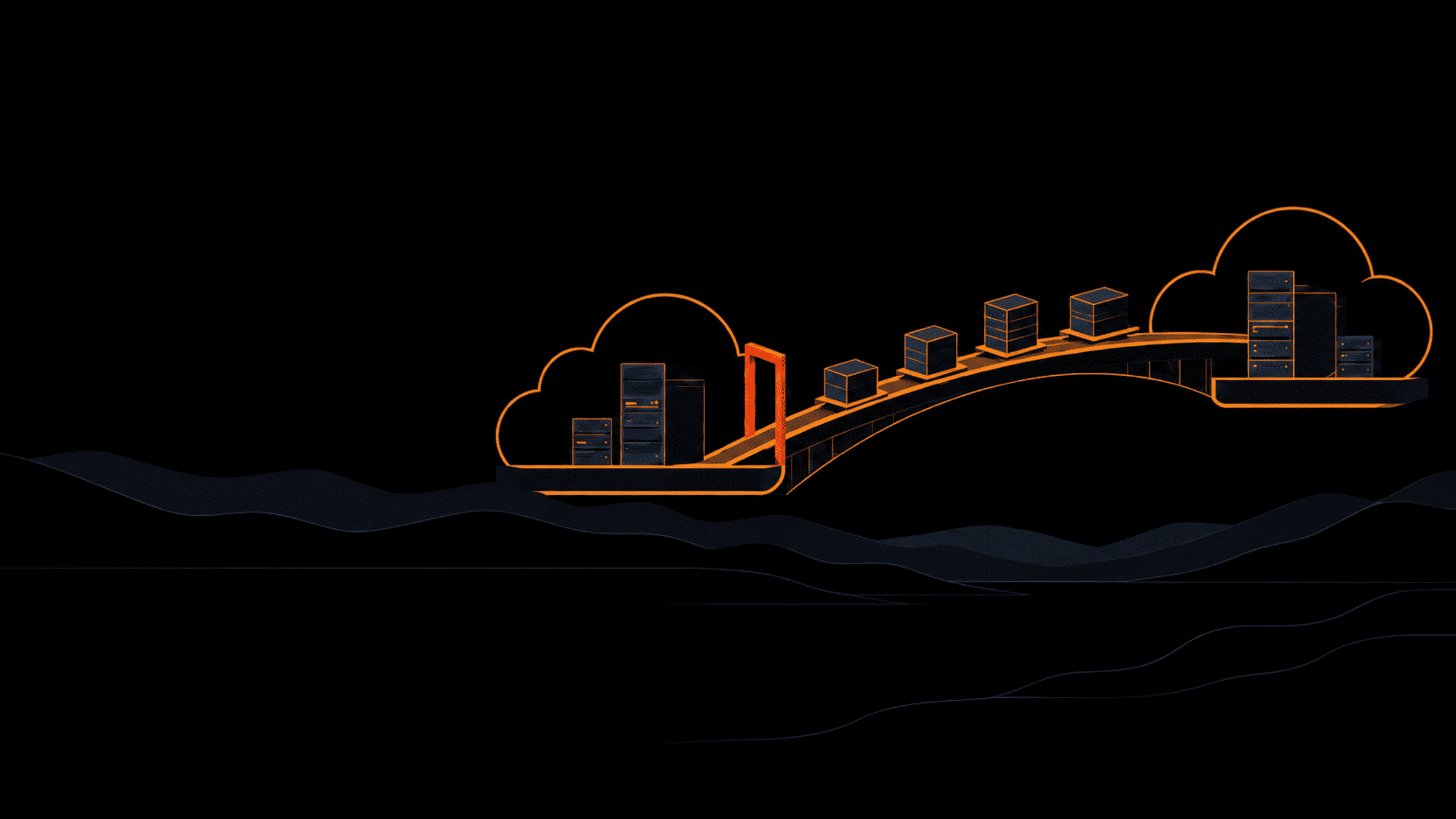
The current model is modular. Start with the systems that block your highest-value AI use case. Move those to an architecture that can connect to modern tooling. Use AI to accelerate the migration itself. Then expand from there.
For most European SMEs, the first question is not which new AI capability to add. It is which old constraint is making every new capability impossible.
That is the question worth answering now.
Itsavirus works with European SMEs in the Netherlands, Belgium, and Germany on AI implementation and application modernization. If you want to understand where your current systems are blocking AI adoption, that is a conversation we are set up to have.
.jpeg)


It depends on the scope, but the modular approach means you do not have to wait years before seeing results. Using the strangler fig pattern, we typically start with the systems blocking your most important AI use case. That first phase can move in weeks, not months, and the business keeps running throughout.
If your business uses AI in hiring, customer assessment, fraud detection, or operations, the high-risk AI requirements under the EU AI Act take effect on August 2, 2026. Dutch supervisory authorities have enforcement powers. That deadline changes the planning calculus considerably. For businesses that have not yet assessed their exposure, the time to do that is now, not after the regulation is already in force.
A full replacement in one go carries significant risk and disruption. The more practical route is incremental: identify the constraint that is blocking the most value, modernise that first, and build from there. Each step is smaller, easier to validate, and lower risk than a single large migration.