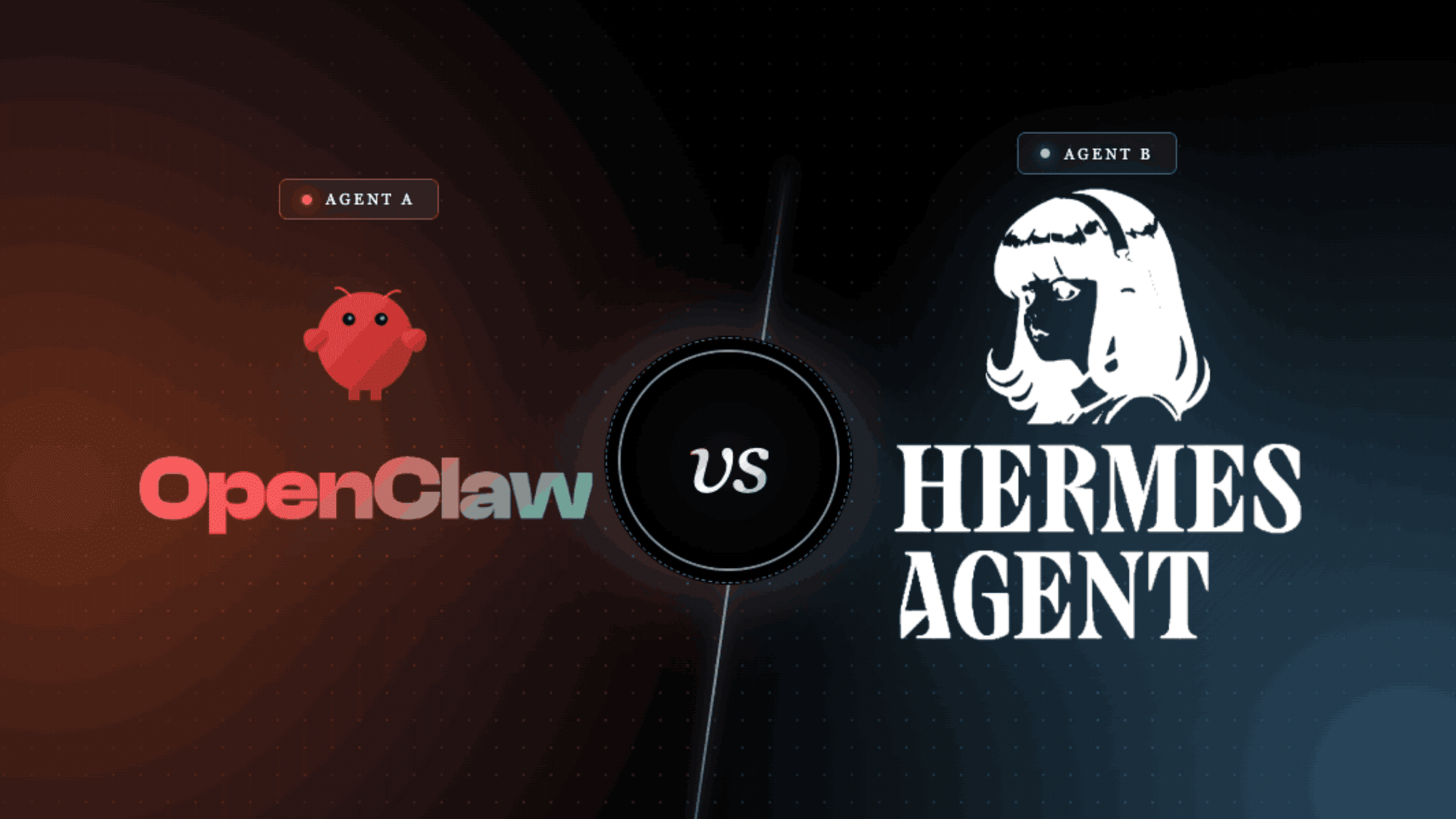
If you have been paying attention to the open-source AI space this year, two names are coming up: OpenClaw and Hermes Agent.
Both position themselves as your personal AI assistant. Both run on your own hardware. Both connect to WhatsApp, Telegram, or whatever messaging app you already use. And both have accumulated enough genuine enthusiasm that it is hard to dismiss either as hype.
So if you are thinking about setting one up, which one should it be?
That depends on what you actually want out of a personal AI agent, and the two tools have made fundamentally different bets about the answer to that question.
OpenClaw started as a side project. Peter Steinberger, an Austrian developer, built the first version in a single evening in late 2025 under the name Clawdbot. It went viral almost immediately, hit a trademark dispute with Anthropic over the name, got renamed twice, and eventually relaunched as OpenClaw in January 2026 crossing 100,000 GitHub stars within 48 hours. It now sits at 374,000 stars, sponsored by OpenAI, GitHub, NVIDIA, and Vercel. Jensen Huang called it the Linux of personal AI at GTC 2026. Steinberger himself has since joined OpenAI to lead personal-agent research, and OpenClaw continues as an independent open-source foundation.
Hermes Agent has a different origin. It comes from Nous Research, the lab known for the Hermes model series and serious work in open-weight AI. The project was developed internally for around eight months before going public in February 2026. It grew to 163,000 GitHub stars in roughly ten weeks, which by any measure is fast. As of May 2026, Hermes has overtaken OpenClaw in daily active inference volume on OpenRouter: 224 billion daily tokens versus OpenClaw's 186 billion.
Both are MIT-licensed, actively maintained, and free to self-host. The difference is not in licensing or cost. It is in architecture, and that architecture reflects a genuine disagreement about what a personal agent should prioritise.
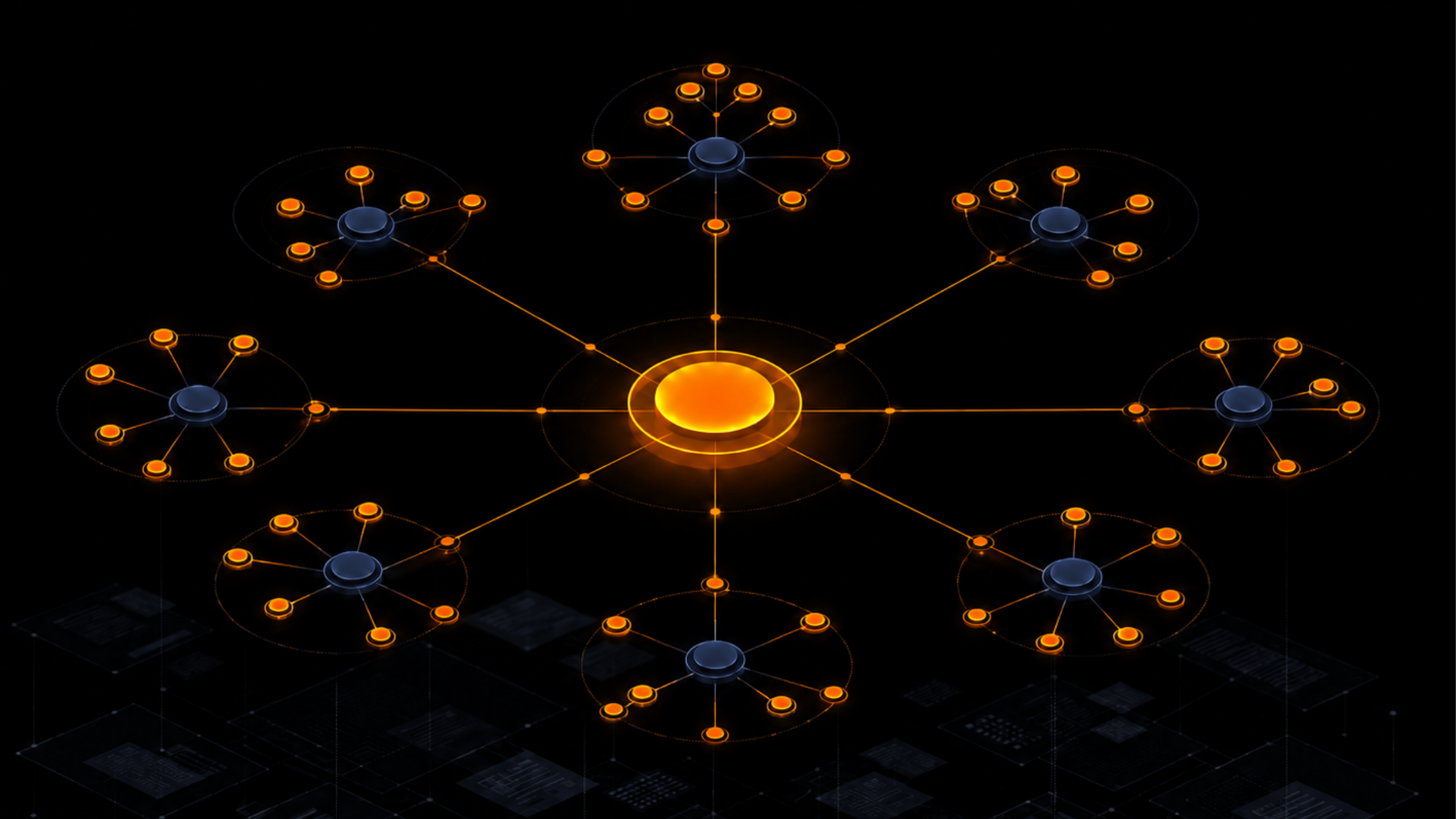
OpenClaw is built around a central WebSocket gateway.
Think of it as a routing layer that sits on your machine and connects to more than 50 messaging platforms simultaneously: Telegram, WhatsApp, Discord, Slack, iMessage, Signal, Teams, and more. On top of that gateway sits a skill marketplace called ClawHub, which currently hosts over 44,000 community-built skill files. Each skill is a Markdown document that teaches the agent a new capability. The design philosophy is breadth: the agent should be accessible from anywhere, do anything you need, and leverage a large community library to get there quickly.
Hermes was built around a different idea.
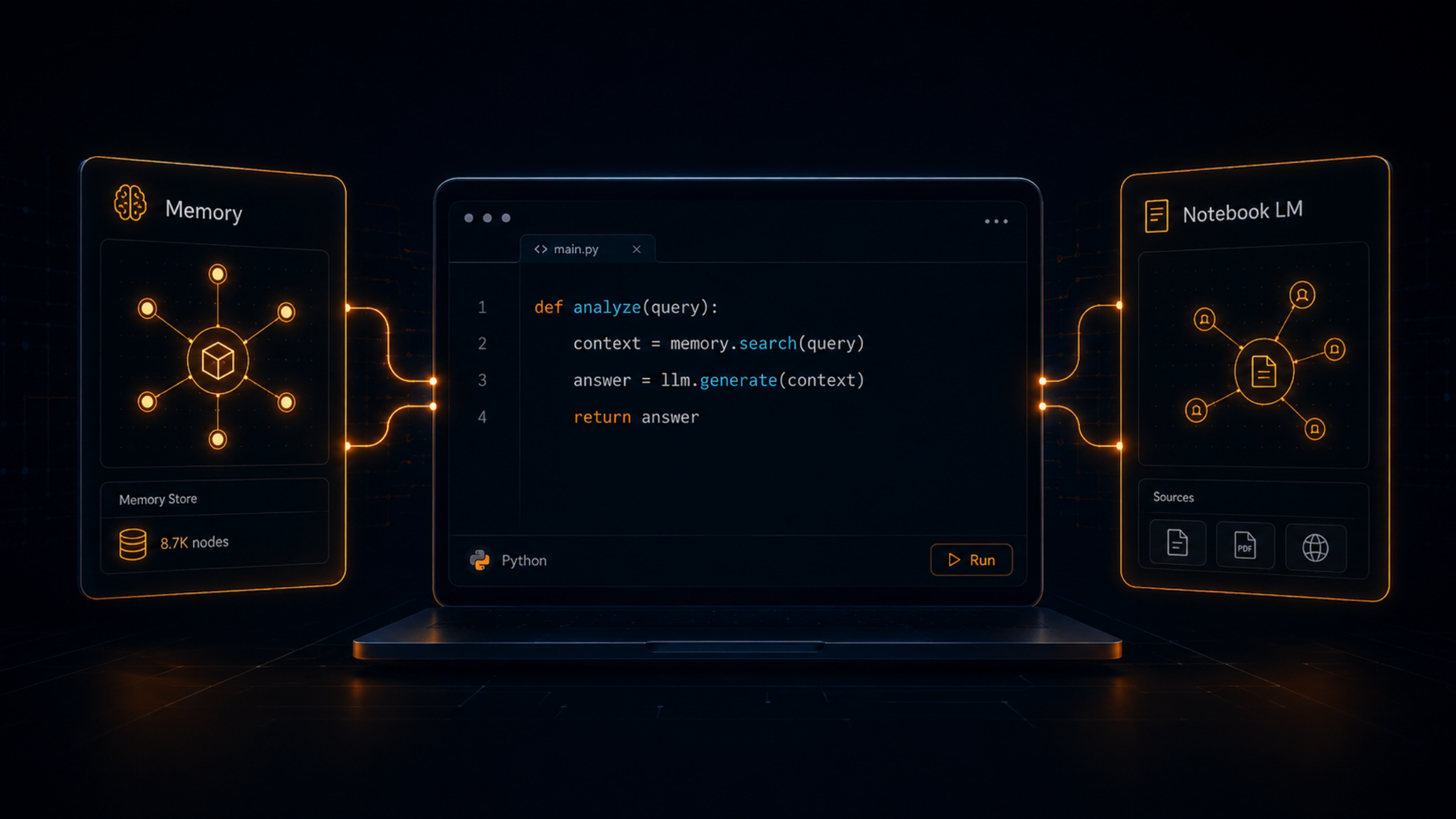
It supports 20 messaging platforms, which is deliberately fewer, and it has no equivalent of ClawHub. What it does instead is write its own skills. After completing a task, Hermes enters a reflective phase where it analyses its own performance and generates reusable skill files for future use. It maintains three memory layers: a persistent snapshot of your identity and preferences, a full-text search database of every past session, and a growing library of procedural skills it has built from working with you. The design philosophy is depth: the agent should become more capable over time without you having to configure it.
OpenClaw bets on reach. Hermes bets on learning. Those are not the same thing, and the right choice depends on which one you actually need.
OpenClaw is the stronger choice here and it is not particularly close. The 50-plus platform coverage includes niche channels that Hermes does not support: iMessage, Microsoft Teams, Matrix, WeChat, LINE, Feishu. It also has a native macOS menu bar app and voice activation. If your goal is a single assistant that responds wherever you are, on any device, through any communication channel, OpenClaw was built for exactly that.
The ClawHub library also matters here. 44,000 community skills means that most things you want the agent to do, someone has already built a skill for. Spotify, GitHub, Todoist, WHOOP, Google Ads, Obsidian, home automation. The setup time for integrations is low.
This is where Hermes has a clear edge. The closed learning loop is what makes it architecturally distinct. Every repeated task becomes a skill the agent improves over time. Nous Research reports a 40 per cent speed improvement on repeated task families, because the agent loads a refined skill file rather than reasoning through the problem from scratch again. If your workload is mostly ad hoc, you will not notice this. If you have recurring workflows, you will.
The memory architecture is also more structured. OpenClaw's memory is functional but informal. Hermes uses a SQLite FTS5 database for full session history with LLM summarisation, plus the Honcho dialectic system for user profiling. For anyone who wants the agent to genuinely learn how they work over months, Hermes is the more serious implementation.
This is worth being direct about. OpenClaw had a significant security incident during its rapid growth phase. CVE-2026-25253, rated 8.8 on the CVSS scale, exposed the gateway to remote exploitation. It was patched, but the incident reflected the reality of a project that scaled very fast and then had to retrofit its security model. OpenClaw has since partnered with NVIDIA on skill security scanning and introduced exec approval guardrails, so the situation is materially better than it was.
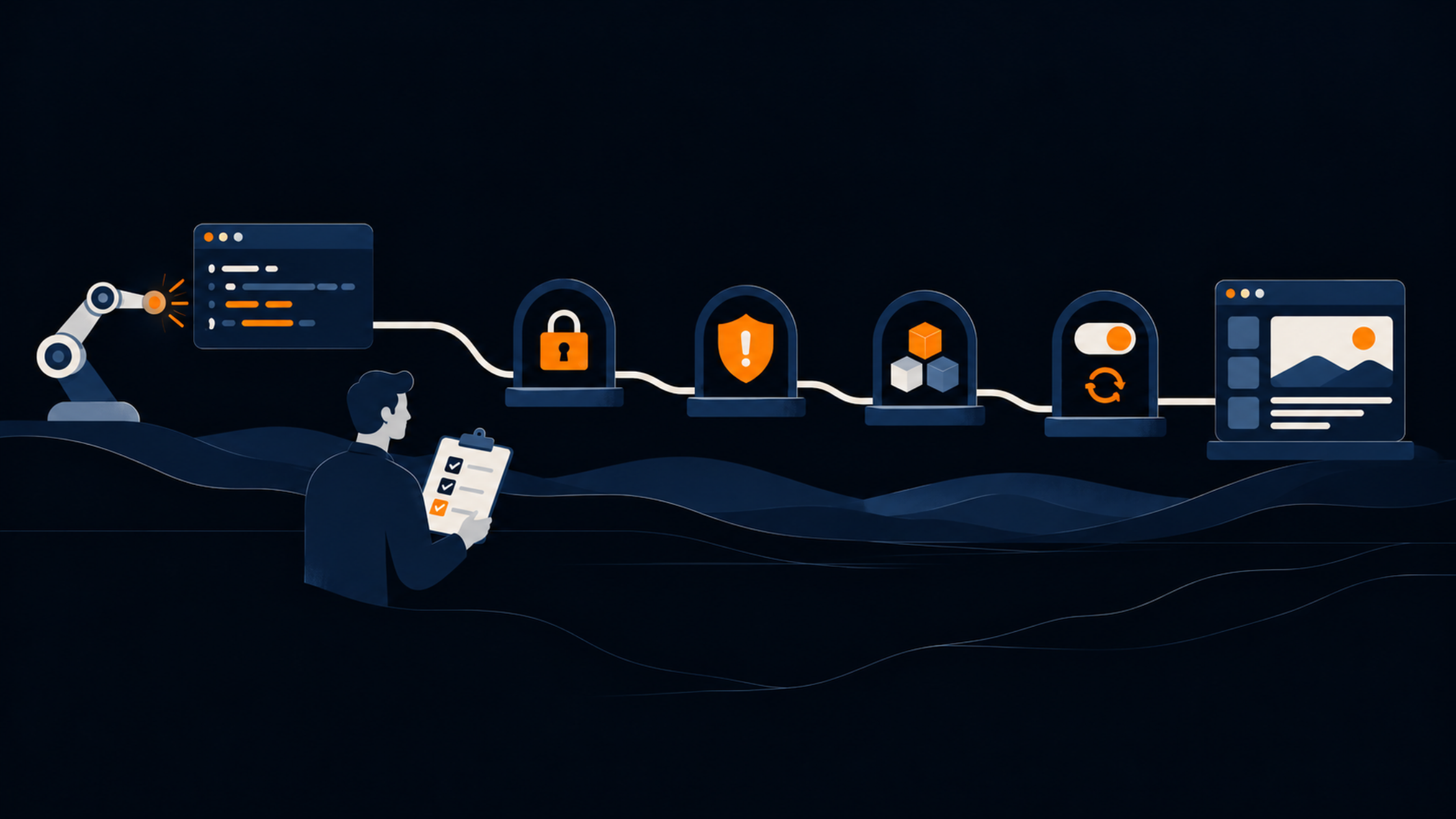
Hermes was designed with seven security layers from the start: container hardening, namespace isolation, five sandbox backends including Docker and SSH, and sandboxed Python RPC scripts for sub-agents. It launched after OpenClaw's security incidents were public, which gave the team the advantage of knowing exactly what threat classes to design against. The security model is more considered, though that is partly a function of building second.
OpenClaw is written in TypeScript and installs with a single curl command. The onboarding wizard runs in about two minutes and is genuinely accessible to non-developers. The community is large, documentation is thorough, and the dashboard is polished. If you want to be up and running in an afternoon with minimal friction, OpenClaw is easier.
Hermes is written in Python, which is standard in the AI research community but may matter depending on your stack. Setup is comparable in speed, but the interface is more technical by default. The upside is flexibility: five sandbox backends, native AWS Bedrock support, NVIDIA NIM, and compatibility with agentskills.io for procedural memory. If you want to configure it precisely, you can.
OpenClaw makes sense if your priority is accessibility and integration coverage.
You want the agent available on every platform you use. You want to draw on a large community library rather than building from scratch. You are comfortable with a tool that started fast, scaled even faster, and is still catching up on its security and governance model. For most individual users who want a capable personal assistant they can reach from their phone, OpenClaw is the more immediately useful option.
Hermes makes sense if your priority is a system that compounds in value over time. You are willing to accept fewer integrations out of the box in exchange for an agent that genuinely learns your workflows, builds its own skills, and becomes more capable the longer it runs. You want a more carefully designed security model. You are comfortable with a Python-based tool and a smaller, more technically-oriented community. For developers and technical users who are thinking in terms of months rather than days, Hermes is the more interesting architectural bet.
Some people run both. Hermes has even shipped a migration tool for OpenClaw users who want to move over, though the two overlap significantly enough that maintaining both long-term adds unnecessary complexity. The more practical approach is to decide which philosophy fits your actual use case and start there.
The real question is not which tool has more features. It is whether you want an agent that reaches everywhere, or an agent that gets smarter the longer it works with you.
Both are legitimate goals. They just need different tools.
What is interesting about both projects is not the feature lists. It is what they represent architecturally. We are at a point where personal AI agents have moved from demos to infrastructure. Both OpenClaw and Hermes are already used by people who depend on them daily: for inbox management, calendar coordination, code review, content pipelines, and automated reporting.
The questions that matter now are not whether these tools work. They do. The questions are around persistence, learning, security, and governance: how the agent stores what it knows, how it improves, what access it has, and who controls the data. Both projects are actively working through those questions, and the answers will determine which one becomes the default personal AI infrastructure for the next decade.
For organisations thinking about how to integrate personal AI agents into their operations, the architectural choices in these projects are worth understanding. The same tradeoffs between breadth and depth, between fast setup and long-term learning, between community scale and security design, show up in enterprise agent deployments. Choosing the right foundation matters.
If you are working through how personal AI agents fit into your team's workflows or your broader technology strategy, we are happy to talk it through. Reach out at itsavirus.com/contact-us