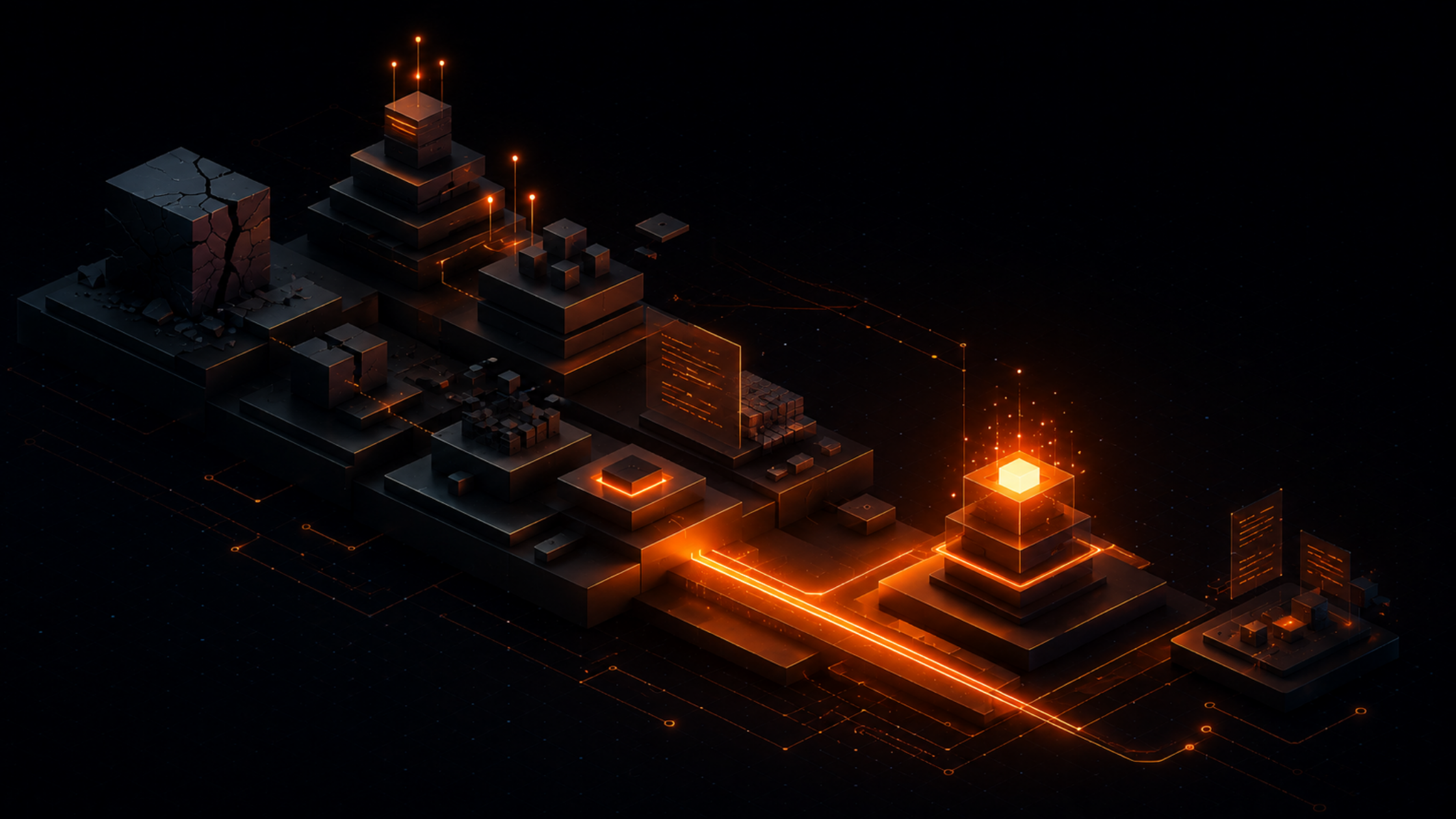
While modernisation is often framed as a technical challenge, the real difficulty tends to surface elsewhere. Not in code, infrastructure, or tooling, but where systems, people, and organisational decisions collide.
Most organisations underestimate the risk of change itself. Not just technical risk, but operational, cultural, and political risk.
Legacy systems may be inefficient, but they are known. They embody years of workarounds, informal ownership, and implicit knowledge. Modern platforms promise speed and scalability, but they also disturb habits, responsibilities, and power structures. That disruption is rarely neutral.
Risk mitigation in modernisation is therefore not about avoiding change.
It is about shaping change in a way the organisation can realistically absorb.
This is where disciplined change management, stakeholder alignment, and phased rollout strategies stop being “support activities” and become core design concerns.
In many organisations, risk is defined narrowly:
These risks are real and must be managed. But they are seldom the ones that derail modernisation efforts.
The risks that cause real damage tend to be organisational:
When these risks materialise, progress stalls. Not because the solution is technically flawed, but because the organisation cannot move at the same pace as the technology.
Effective risk mitigation starts with a simple reframing:
modernisation is an organisational change programme, delivered through technology.
Change management is often treated as a communications problem. Send updates. Run training sessions. Publish documentation.
That approach reacts to change after it has already been designed.
In successful modernisation programmes, change management is embedded from the start, shaping how systems are designed and rolled out.
This usually shows up in three practical ways.
Designing for continuity
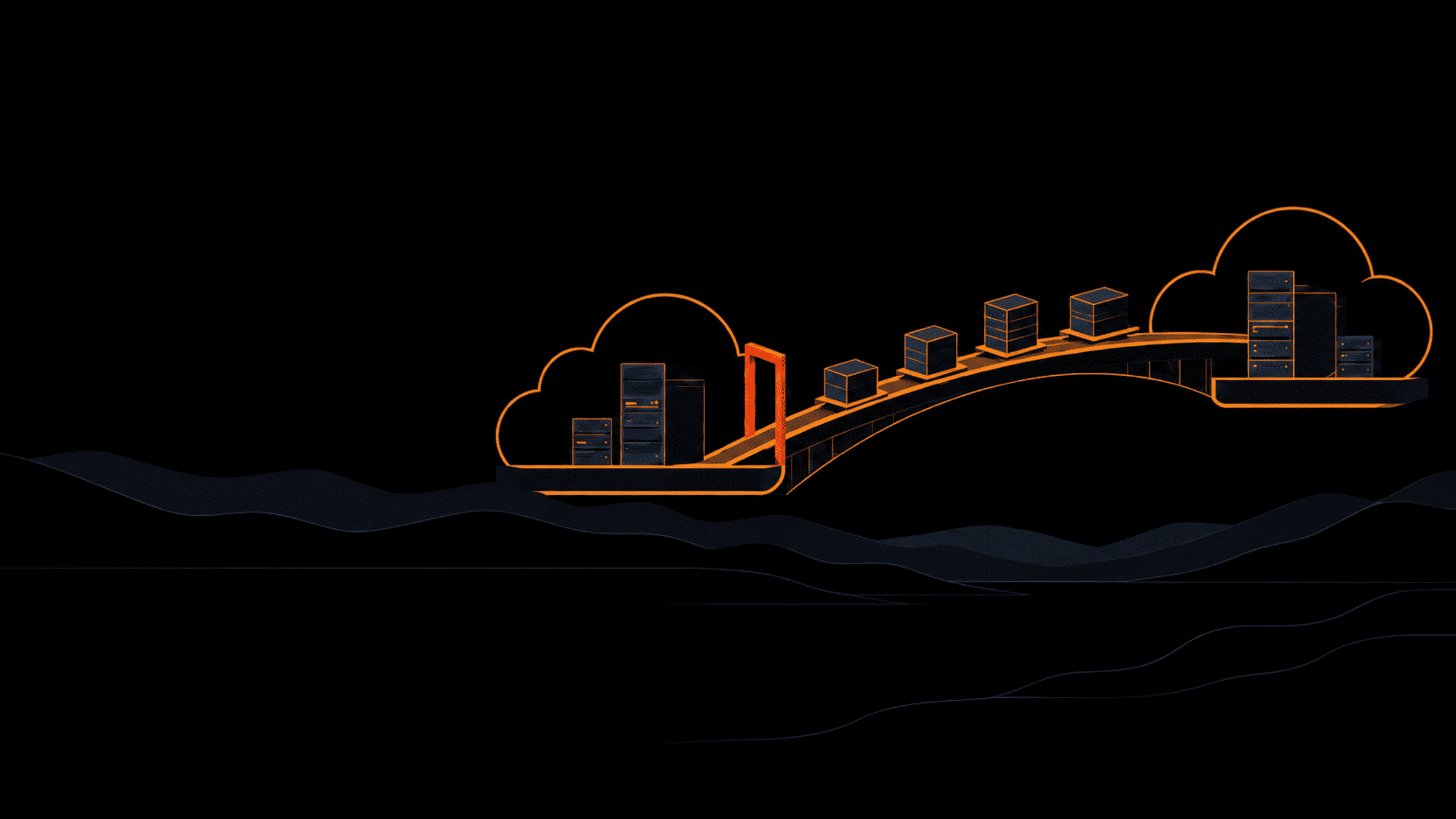
Rather than forcing abrupt replacement, teams deliberately design transitional states where legacy and modern systems can coexist. This reduces fear, preserves operational confidence, and gives people time to adapt.
Making progress visible
Trust is built through evidence, not promises. Early, tangible improvements matter more than future roadmaps. Adoption follows proof that things are actually getting better.
Reducing cognitive load
Modern systems should simplify decisions and workflows. If modernisation increases complexity in day-to-day work, resistance is not a failure of mindset. It is a rational response.
Change succeeds when people feel safer after each step, not merely informed.
Many modernisation initiatives fail quietly due to misalignment rather than opposition.
The warning signs are familiar:
Managing risk requires deliberate alignment across three groups.
Executive sponsors
They provide direction and protection. Without visible backing, modernisation competes with short-term pressures and gradually loses momentum.
Operational leaders
They understand real workflows and constraints. Ignoring them produces systems that look coherent architecturally but fail operationally.
Delivery teams
They translate intent into reality. Clear decision rights, boundaries, and success criteria reduce hesitation and rework.
Alignment is not a one-off exercise. It is a continuous process of clarifying:
When alignment weakens, risk accumulates quietly.
Large, single-release transformations concentrate risk.
Phased rollouts distribute it.
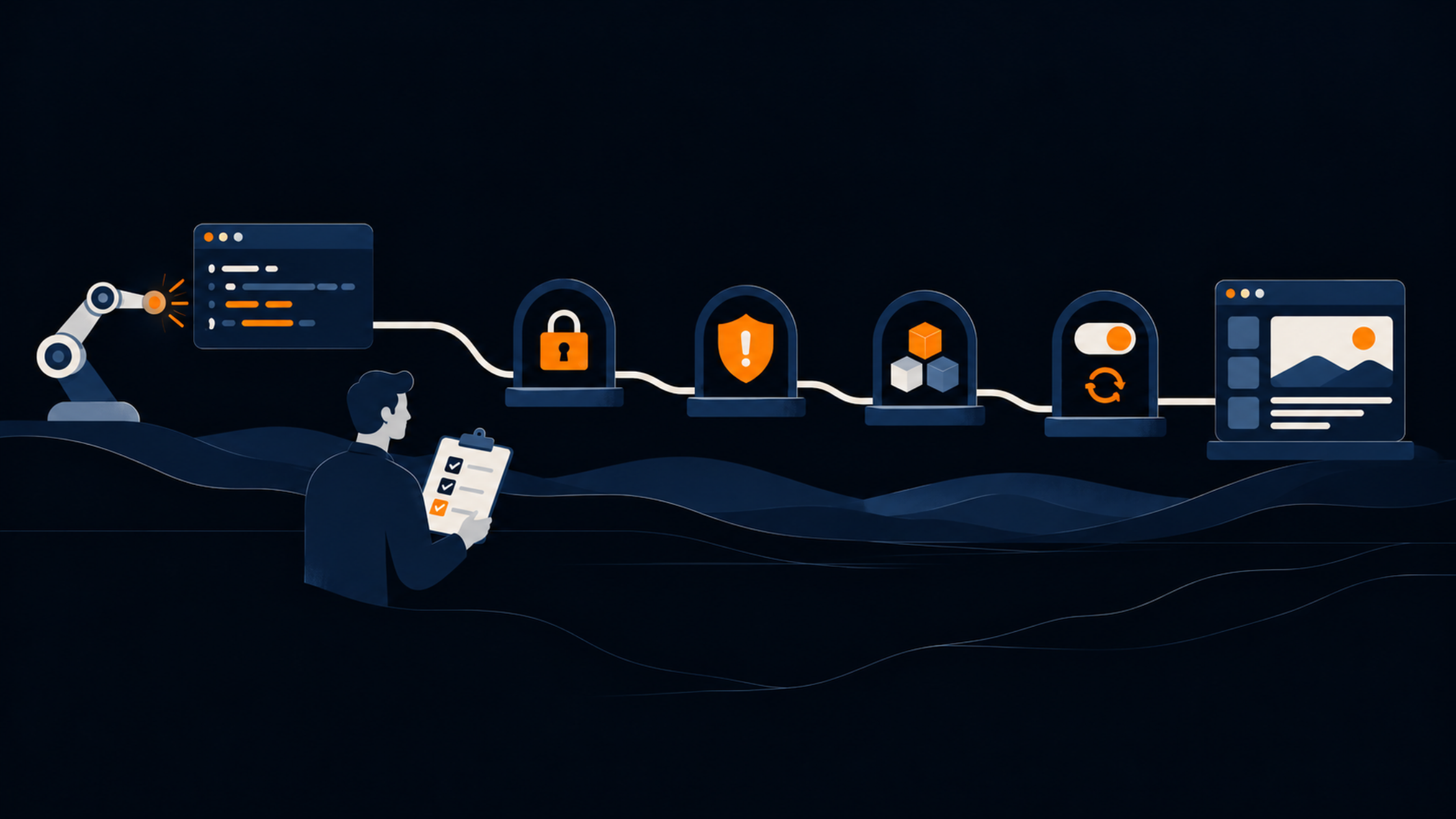
Well-designed phased delivery typically includes:
Limited-scope releases
Early phases focus on clearly defined functions or user groups, creating learning environments rather than enterprise-wide exposure.
Parallel operation
Running legacy and modern components side by side allows validation without forcing premature dependency shifts.
Feedback-driven progression
Each phase earns the right to proceed. Metrics, user feedback, and operational stability determine pace, not timelines alone.
Phasing is not about moving slowly.
It is about moving forward without breaking trust.
Too much governance paralyses change. Too little creates chaos.
Risk-aware modernisation relies on lightweight governance focused on:
The goal is not control, but predictability. Teams should understand how decisions are made, when to escalate, and which constraints matter most.
When governance supports execution rather than obstructs it, risk decreases naturally.
The most successful modernisation programmes share one characteristic: they steadily increase organisational confidence.
Confidence that systems will not fail unexpectedly.
Confidence that teams can adapt without burning out.
Confidence that progress is real and measurable.
This confidence compounds. Each successful phase lowers resistance to the next.
In that sense, risk mitigation is not defensive.
It is progressive.
Modernisation rarely fails because organisations take risks.
It fails because risks are taken all at once, without alignment, and without space to learn.
Change management, stakeholder alignment, and phased rollout strategies are not overhead. They are the mechanisms that turn modernisation from a gamble into a controlled evolution.
At Itsavirus, we approach modernisation as a long-term partnership, balancing technical progress with organisational stability, and designing change that businesses can actually absorb.
If you are planning a modernisation initiative and want to reduce execution risk without slowing momentum, feel free to reach out https://itsavirus.com
.jpeg)


The biggest risk is rarely technical. It is organisational: teams resisting new systems, business users losing trust after early inconsistencies, or unclear ownership slowing decisions down.
Why does change management matter in modernisation projects?
Because modernisation changes how people work, not just which systems they use. Embedding change management early, rather than treating it as communication after the fact, helps organisations adapt without losing confidence.
A phased rollout introduces new systems gradually, often running legacy and modern components side by side. This limits exposure, allows learning between phases, and lets feedback shape the pace of delivery.
By clarifying who decides, what success looks like at each phase, and which trade-offs are acceptable, across executive sponsors, operational leaders and delivery teams.